Buy fpmin.com ?
We are moving the project
fpmin.com .
Are you interested in purchasing the domain
fpmin.com ?
domain@kv-gmbh.de · 0541-91531010
Buy fpmin.com ?
What distinguishes all types of bonding: ionic bonding, metallic bonding, and covalent bonding?
Ionic bonding involves the transfer of electrons from one atom to another, resulting in the formation of positively and negatively charged ions that are attracted to each other. Metallic bonding involves the sharing of electrons among a sea of delocalized electrons, creating a "sea of electrons" that holds the metal atoms together. Covalent bonding involves the sharing of electrons between atoms, resulting in the formation of molecules. Despite their differences, all types of bonding involve the interaction of electrons between atoms to form stable chemical compounds. **
What distinguishes all types of chemical bonding: ionic bonding, metallic bonding, and covalent bonding?
The main distinction among the three types of chemical bonding lies in the way atoms are held together. In ionic bonding, atoms transfer electrons to achieve a stable electron configuration. Metallic bonding involves a sea of delocalized electrons shared among a lattice of metal atoms. Covalent bonding, on the other hand, involves the sharing of electrons between atoms to achieve a stable electron configuration. Each type of bonding results in different properties and behaviors of the substances formed. **

Similar search terms for Bonding
Top-Angebote
Products related to Bonding:
-
Supermass Nutrition SUPER VITAMINS - 180 kapsSupermass Nutrition Super Vitamins on monivitamiinien uusi kuningas! Kaipaako suorituskykysi boostia, ja meinaako hyvä treeniputki katketa kesken kaiken, kun puhti ja veto loppuu kesken? Tai ehkä etsit yhtä monivitamiinituotetta, jonka myötä voit heittää kymmenet purkit roskakoriin ja helpottaa arkea merkittävästi. Supermass Nutrition Super Vitamins on valikoimamme ylivoimaisesti monipuolisin, tehokkain, järein ja PARAS monivitamiini-mineraalivalmiste - sen sisältämät 33 tarkkaan valikoitua ainesosaa toimivat synergisesti, ja ne maksimoivat niin fyysisen kuin mentaalisen suorituskykysi niin arjen haasteiden aikana kuin kovien treenien tuoksinnassakin. Super Vitamins sisältää niin monta ainesosaa, että niiden kaikkien yksittäistä vaikutusmekanismia on lähes mahdotonta avata tässä. Keskitymmekin siis ainesosien muutamaan olennaiseen mekanismiin, joiden kautta tuote parantaa hyvinvointiasi, tukee lihasten kasvua ja kehitystä ja esimerkiksi optimoi palautumista ja unen laatua: Siperian ginseng -juurijauhe & Ginseng-uute – Adaptogeenit, jotka auttavat parantamaan fyysistä suorituskykyä, stressinsietokykyä ja energiatasoja. Ne myös tukevat kehon palautumista rasituksesta ja parantavat kestävyyttä. Diosmin – Parantaa verenkiertoa, joka nopeuttaa lihasten palautumista ja auttaa vähentämään lihaskipuja ja turvotusta fyysisen rasituksen jälkeen. L-karnitiinitartraatti – Tukee rasva-aineenvaihduntaa ja energian tuotantoa kehossa, parantaa kestävyyttä sekä auttaa vähentämään lihaskipuja ja nopeuttaa palautumista. DL-koliinibitartraatti – Tärkeä vitamiini hermoston toiminnalle ja solukalvojen muodostukselle. Koliini parantaa kognitiivista suorituskykyä ja tukee aineenvaihduntaa. Ruusunmarjajauhe & C-vitamiini – Nämä tehokkaat antioksidantit, vähentävät tulehdusta, tukevat immuunijärjestelmää ja edistävät kollageenin muodostumista, joka taas on tärkeää lihasten ja nivelten terveyden kannalta. Rypäleensiemenuute & Pinus Pinaster -uute – Nämä kasviuutteet sisältävät antioksidantteja, jotka suojaavat soluja oksidatiiviselta stressiltä ja tukevat verisuonten terveyttä, parantaen hapen ja ravinteiden kulkua lihaksiin. Ruoansulatusentsyymisekoitus – Edistää ravintoaineiden imeytymistä ja ruoansulatusta, varmistaa vitamiinien ja kivennäisaineiden tehokkaan hyödyntämisen ja tukee ruoansulatuskanavan toimintaa. Bromelaiini – Luonnollinen entsyymi, joka auttaa vähentämään tulehdusta ja edistää lihasvaurioiden ja venähdysten palautumista. Koentsyymi Q10 (ubikinoni) – Välttämätön ainesosa energian tuotannolle soluissa. Ubikinoni parantaa kestävyyttä ja vähentää väsymystä intensiivisen liikunnan aikana. Vitamiinit A, B1, B2, B3, B5, B6, B12, D, E – Näiden vitamiinien yhdistelmä tukee energia-aineenvaihduntaa, hermoston toimintaa, immuunijärjestelmää sekä luuston ja lihasten terveyttä. B-vitamiinit erityisesti tukevat proteiinisynteesiä ja lihasten palautumista. Biotiini – Tukee hiusten, ihon ja kynsien terveyttä, mutta myös osallistuu proteiinien ja rasvojen...44,90 €*Shipping: 5,90 €Secure redirect to the provider
-
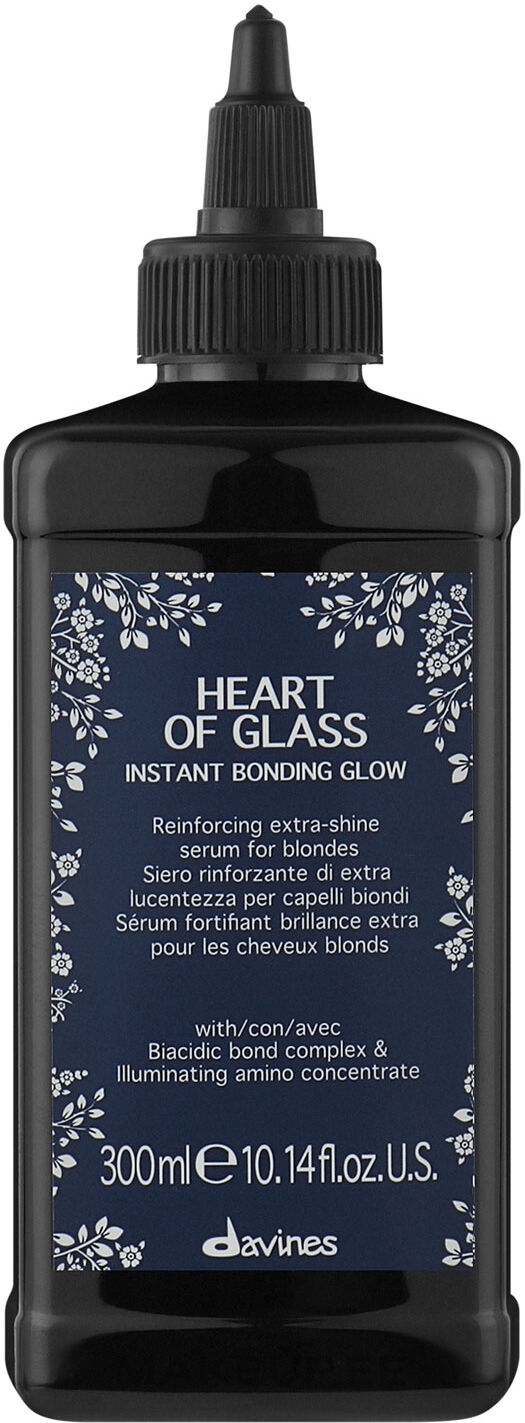
DAVINES Heart Of Glass Instant Bonding Glow 300mlDAVINES Heart Of Glass nopeasti vaikuttava hiusseerumi vaaleille, vaalennetuille ja raidoitetuille hiuksille vahvistaa hiuskuitua, korjaa vaurioita ja antaa poikkeuksellista kiiltoa. Biacidic Bond Complex ja Illuminating Amino Concentrate auttavat vahvistamaan hiuksia, vähentämään katkeilua sekä säilyttämään vaalean sävyn kirkkauden ja intensiivisyyden. Kevyt silikoniton koostumus kosteuttaa hiuksia tekemättä niistä raskaita, tekee niistä silkinpehmeät ja helposti kammattavat. Tuote sisältää 94,32,95 €*Shipping: 0,00 €Secure redirect to the provider


-
What are examples of ionic bonding, covalent bonding, and metallic bonding?
Ionic bonding occurs when one atom transfers electrons to another, resulting in the formation of positively and negatively charged ions that are attracted to each other. An example of ionic bonding is the bond between sodium and chlorine in sodium chloride (table salt). Covalent bonding occurs when atoms share electrons to achieve a full outer shell. An example of covalent bonding is the bond between two hydrogen atoms in a molecule of hydrogen gas (H2). Metallic bonding occurs in metals, where the outer electrons of the atoms are delocalized and free to move throughout the structure, creating a "sea" of electrons that hold the metal atoms together. An example of metallic bonding is the bond between atoms in a piece of copper metal. **
-
What is the difference between ionic bonding, covalent bonding, and metallic bonding?
Ionic bonding involves the transfer of electrons from one atom to another, resulting in the formation of positively and negatively charged ions that are held together by electrostatic forces. Covalent bonding involves the sharing of electrons between atoms to achieve a stable electron configuration. Metallic bonding occurs in metals, where electrons are delocalized and free to move throughout the material, creating a "sea of electrons" that hold the metal atoms together. Each type of bonding results in different properties and behaviors of the substances involved. **
-
Who is familiar with chemistry in ionic bonding, metallic bonding, and molecular bonding?
Individuals who have studied chemistry at a high school or college level are likely to be familiar with ionic bonding, metallic bonding, and molecular bonding. This includes students, teachers, and professionals in the fields of chemistry, chemical engineering, and materials science. Additionally, those who have a general interest in science and have taken courses or done independent study in chemistry may also have knowledge of these types of chemical bonding. **
-
What is the difference between covalent bonding and ionic bonding?
Covalent bonding involves the sharing of electrons between atoms to achieve a stable electron configuration, typically between nonmetals. Ionic bonding involves the transfer of electrons from one atom to another, resulting in the formation of positively and negatively charged ions that are attracted to each other, typically between a metal and a nonmetal. In covalent bonding, the atoms involved have similar electronegativities, while in ionic bonding, there is a significant difference in electronegativities between the atoms. **


What are the similarities between ionic bonding and covalent bonding?
Both ionic bonding and covalent bonding involve the sharing or transfer of electrons between atoms to achieve a stable electron configuration. In both types of bonding, the goal is for each atom to achieve a full outer electron shell. Additionally, both types of bonding result in the formation of a compound with a neutral charge. However, the key difference between the two is that ionic bonding involves the transfer of electrons from one atom to another, while covalent bonding involves the sharing of electrons between atoms. **
Is ionic bonding a polar or nonpolar atomic bonding in chemistry?
Ionic bonding is a type of polar atomic bonding in chemistry. This is because in an ionic bond, one atom donates an electron to another atom, resulting in the formation of positively and negatively charged ions. These opposite charges create a polar bond, with one end being more positive and the other end being more negative. This creates a strong electrostatic attraction between the ions, leading to the formation of the ionic bond. **
Top-Angebote
Products related to Bonding:
-
What distinguishes all types of bonding: ionic bonding, metallic bonding, and covalent bonding?
Ionic bonding involves the transfer of electrons from one atom to another, resulting in the formation of positively and negatively charged ions that are attracted to each other. Metallic bonding involves the sharing of electrons among a sea of delocalized electrons, creating a "sea of electrons" that holds the metal atoms together. Covalent bonding involves the sharing of electrons between atoms, resulting in the formation of molecules. Despite their differences, all types of bonding involve the interaction of electrons between atoms to form stable chemical compounds. **
-
What distinguishes all types of chemical bonding: ionic bonding, metallic bonding, and covalent bonding?
The main distinction among the three types of chemical bonding lies in the way atoms are held together. In ionic bonding, atoms transfer electrons to achieve a stable electron configuration. Metallic bonding involves a sea of delocalized electrons shared among a lattice of metal atoms. Covalent bonding, on the other hand, involves the sharing of electrons between atoms to achieve a stable electron configuration. Each type of bonding results in different properties and behaviors of the substances formed. **
-
What are examples of ionic bonding, covalent bonding, and metallic bonding?
Ionic bonding occurs when one atom transfers electrons to another, resulting in the formation of positively and negatively charged ions that are attracted to each other. An example of ionic bonding is the bond between sodium and chlorine in sodium chloride (table salt). Covalent bonding occurs when atoms share electrons to achieve a full outer shell. An example of covalent bonding is the bond between two hydrogen atoms in a molecule of hydrogen gas (H2). Metallic bonding occurs in metals, where the outer electrons of the atoms are delocalized and free to move throughout the structure, creating a "sea" of electrons that hold the metal atoms together. An example of metallic bonding is the bond between atoms in a piece of copper metal. **
-
What is the difference between ionic bonding, covalent bonding, and metallic bonding?
Ionic bonding involves the transfer of electrons from one atom to another, resulting in the formation of positively and negatively charged ions that are held together by electrostatic forces. Covalent bonding involves the sharing of electrons between atoms to achieve a stable electron configuration. Metallic bonding occurs in metals, where electrons are delocalized and free to move throughout the material, creating a "sea of electrons" that hold the metal atoms together. Each type of bonding results in different properties and behaviors of the substances involved. **
Similar search terms for Bonding
-
Supermass Nutrition SUPER VITAMINS - 180 kapsSupermass Nutrition Super Vitamins on monivitamiinien uusi kuningas! Kaipaako suorituskykysi boostia, ja meinaako hyvä treeniputki katketa kesken kaiken, kun puhti ja veto loppuu kesken? Tai ehkä etsit yhtä monivitamiinituotetta, jonka myötä voit heittää kymmenet purkit roskakoriin ja helpottaa arkea merkittävästi. Supermass Nutrition Super Vitamins on valikoimamme ylivoimaisesti monipuolisin, tehokkain, järein ja PARAS monivitamiini-mineraalivalmiste - sen sisältämät 33 tarkkaan valikoitua ainesosaa toimivat synergisesti, ja ne maksimoivat niin fyysisen kuin mentaalisen suorituskykysi niin arjen haasteiden aikana kuin kovien treenien tuoksinnassakin. Super Vitamins sisältää niin monta ainesosaa, että niiden kaikkien yksittäistä vaikutusmekanismia on lähes mahdotonta avata tässä. Keskitymmekin siis ainesosien muutamaan olennaiseen mekanismiin, joiden kautta tuote parantaa hyvinvointiasi, tukee lihasten kasvua ja kehitystä ja esimerkiksi optimoi palautumista ja unen laatua: Siperian ginseng -juurijauhe & Ginseng-uute – Adaptogeenit, jotka auttavat parantamaan fyysistä suorituskykyä, stressinsietokykyä ja energiatasoja. Ne myös tukevat kehon palautumista rasituksesta ja parantavat kestävyyttä. Diosmin – Parantaa verenkiertoa, joka nopeuttaa lihasten palautumista ja auttaa vähentämään lihaskipuja ja turvotusta fyysisen rasituksen jälkeen. L-karnitiinitartraatti – Tukee rasva-aineenvaihduntaa ja energian tuotantoa kehossa, parantaa kestävyyttä sekä auttaa vähentämään lihaskipuja ja nopeuttaa palautumista. DL-koliinibitartraatti – Tärkeä vitamiini hermoston toiminnalle ja solukalvojen muodostukselle. Koliini parantaa kognitiivista suorituskykyä ja tukee aineenvaihduntaa. Ruusunmarjajauhe & C-vitamiini – Nämä tehokkaat antioksidantit, vähentävät tulehdusta, tukevat immuunijärjestelmää ja edistävät kollageenin muodostumista, joka taas on tärkeää lihasten ja nivelten terveyden kannalta. Rypäleensiemenuute & Pinus Pinaster -uute – Nämä kasviuutteet sisältävät antioksidantteja, jotka suojaavat soluja oksidatiiviselta stressiltä ja tukevat verisuonten terveyttä, parantaen hapen ja ravinteiden kulkua lihaksiin. Ruoansulatusentsyymisekoitus – Edistää ravintoaineiden imeytymistä ja ruoansulatusta, varmistaa vitamiinien ja kivennäisaineiden tehokkaan hyödyntämisen ja tukee ruoansulatuskanavan toimintaa. Bromelaiini – Luonnollinen entsyymi, joka auttaa vähentämään tulehdusta ja edistää lihasvaurioiden ja venähdysten palautumista. Koentsyymi Q10 (ubikinoni) – Välttämätön ainesosa energian tuotannolle soluissa. Ubikinoni parantaa kestävyyttä ja vähentää väsymystä intensiivisen liikunnan aikana. Vitamiinit A, B1, B2, B3, B5, B6, B12, D, E – Näiden vitamiinien yhdistelmä tukee energia-aineenvaihduntaa, hermoston toimintaa, immuunijärjestelmää sekä luuston ja lihasten terveyttä. B-vitamiinit erityisesti tukevat proteiinisynteesiä ja lihasten palautumista. Biotiini – Tukee hiusten, ihon ja kynsien terveyttä, mutta myös osallistuu proteiinien ja rasvojen...44,90 €*Shipping: 5,90 €Secure redirect to the provider
-
DAVINES Heart Of Glass Instant Bonding Glow 300mlDAVINES Heart Of Glass nopeasti vaikuttava hiusseerumi vaaleille, vaalennetuille ja raidoitetuille hiuksille vahvistaa hiuskuitua, korjaa vaurioita ja antaa poikkeuksellista kiiltoa. Biacidic Bond Complex ja Illuminating Amino Concentrate auttavat vahvistamaan hiuksia, vähentämään katkeilua sekä säilyttämään vaalean sävyn kirkkauden ja intensiivisyyden. Kevyt silikoniton koostumus kosteuttaa hiuksia tekemättä niistä raskaita, tekee niistä silkinpehmeät ja helposti kammattavat. Tuote sisältää 94,32,95 €*Shipping: 0,00 €Secure redirect to the provider
-
Dr. Melaxin DR.MELAXIN Calcium Bonding Eye Cream 15gKiinteyttävä ja silottava DR.MELAXIN Calcium Bonding -silmänympärysvoide on suunniteltu erityisesti hoitamaan kimmoisuutta menettänyttä, veltostunutta ja laskeutunutta silmänympärysihoa sekä vähentämään syvempien ryppyjen näkyvyyttä. Voiteen ytimessä on erityinen Calcium Bonding -teknologia, joka auttaa tukemaan ihon kimmoisuuden ja tiiviyden säilymistä. Kalsium tukee ihoa, samalla kun viisi erilaista peptidiä yhdessä hydrolysoidun kollageenin ja elastiinin kanssa auttavat parantamaan ihon kimmo23,96 €*Shipping: 0,00 €Secure redirect to the provider
-
Who is familiar with chemistry in ionic bonding, metallic bonding, and molecular bonding?
Individuals who have studied chemistry at a high school or college level are likely to be familiar with ionic bonding, metallic bonding, and molecular bonding. This includes students, teachers, and professionals in the fields of chemistry, chemical engineering, and materials science. Additionally, those who have a general interest in science and have taken courses or done independent study in chemistry may also have knowledge of these types of chemical bonding. **
-
What is the difference between covalent bonding and ionic bonding?
Covalent bonding involves the sharing of electrons between atoms to achieve a stable electron configuration, typically between nonmetals. Ionic bonding involves the transfer of electrons from one atom to another, resulting in the formation of positively and negatively charged ions that are attracted to each other, typically between a metal and a nonmetal. In covalent bonding, the atoms involved have similar electronegativities, while in ionic bonding, there is a significant difference in electronegativities between the atoms. **
-
What are the similarities between ionic bonding and covalent bonding?
Both ionic bonding and covalent bonding involve the sharing or transfer of electrons between atoms to achieve a stable electron configuration. In both types of bonding, the goal is for each atom to achieve a full outer electron shell. Additionally, both types of bonding result in the formation of a compound with a neutral charge. However, the key difference between the two is that ionic bonding involves the transfer of electrons from one atom to another, while covalent bonding involves the sharing of electrons between atoms. **
-
Is ionic bonding a polar or nonpolar atomic bonding in chemistry?
Ionic bonding is a type of polar atomic bonding in chemistry. This is because in an ionic bond, one atom donates an electron to another atom, resulting in the formation of positively and negatively charged ions. These opposite charges create a polar bond, with one end being more positive and the other end being more negative. This creates a strong electrostatic attraction between the ions, leading to the formation of the ionic bond. **
* All prices are inclusive of VAT and, if applicable, plus shipping costs. The offer information is based on the details provided by the respective shop and is updated through automated processes. Real-time updates do not occur, so deviations can occur in individual cases. ** Note: Parts of this content were created by AI.