Buy fpmin.com ?
We are moving the project
fpmin.com .
Are you interested in purchasing the domain
fpmin.com ?
domain@kv-gmbh.de · 0541-91531010
Buy fpmin.com ?
Will an ATX motherboard fit in an E-ATX case?
No, an ATX motherboard will not fit in an E-ATX case. E-ATX cases are designed to accommodate larger motherboards, such as Extended ATX (E-ATX) or larger, while ATX motherboards are smaller and designed for standard ATX cases. It is important to ensure that the motherboard and case sizes are compatible to avoid any fitting issues. **
Will an ATX motherboard fit in a case designed for E-ATX motherboards?
No, an ATX motherboard will not fit in a case designed for E-ATX motherboards. E-ATX motherboards are larger in size than ATX motherboards, so the screw holes and form factor will not align properly. It is important to ensure that the motherboard and case sizes are compatible to avoid any fitting issues. **
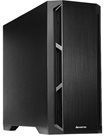
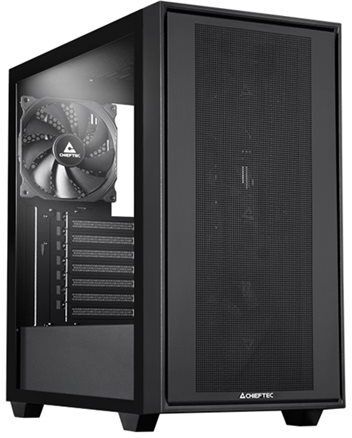
Similar search terms for Chieftec-apex-q-e-atx
Top-Angebote
Products related to Chieftec-apex-q-e-atx:


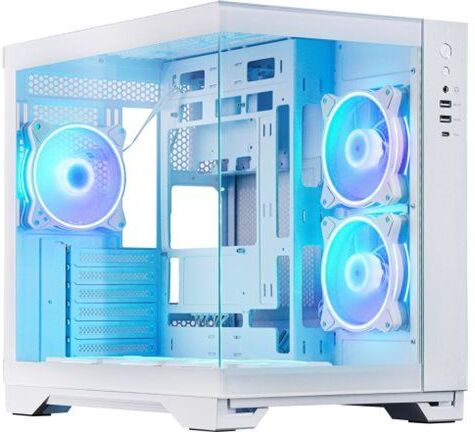

-
What is the phase e and the phase q?
The phase e and the phase q are two components of the Park transformation, which is used to convert the three-phase quantities into a two-phase reference frame. The phase e represents the in-phase component of the three-phase system, while the phase q represents the quadrature component. These two components are orthogonal to each other and are used to simplify the analysis and control of three-phase systems, particularly in the context of electric machines and power systems. **
-
What is the difference between ATX and ATX?
There seems to be a typo in your question. It appears you are asking about the difference between ATX and ATX. If you meant to ask about the difference between ATX and ITX, I can provide an answer for that. ATX and ITX are both form factors for motherboards, with ATX being larger and offering more expansion slots and features, while ITX is smaller and more compact, suitable for smaller builds. ITX motherboards typically have fewer RAM slots, PCIe slots, and SATA ports compared to ATX motherboards. Ultimately, the choice between ATX and ITX depends on the specific needs and preferences of the user, such as the size of the case and the number of components to be installed. **
-
Is this an ATX or a Micro ATX?
Based on the information provided, it is not possible to determine whether the motherboard is an ATX or a Micro ATX. The size and layout of the motherboard would need to be examined in order to make a determination. ATX motherboards are typically larger than Micro ATX motherboards, so comparing the physical dimensions of the motherboard would be necessary to identify which type it is. **
-
How do I switch from Micro ATX to ATX?
To switch from Micro ATX to ATX, you will need to replace your current Micro ATX motherboard with an ATX motherboard that is compatible with your existing components. Make sure to check the dimensions of your case to ensure it can accommodate the larger ATX motherboard. You may also need to consider upgrading your power supply unit to support the additional power requirements of the ATX motherboard. Finally, transfer your components such as CPU, RAM, and graphics card to the new ATX motherboard and ensure all connections are properly made. **

What is the difference between ATX and Mini-ATX?
ATX and Mini-ATX are both form factors for motherboards, with ATX being the larger of the two. ATX motherboards typically have more expansion slots and ports, allowing for more components to be added. Mini-ATX, on the other hand, is a smaller form factor, making it more suitable for compact builds or smaller cases. Mini-ATX motherboards may have fewer expansion slots and ports compared to ATX, but they are often more affordable and can still support a wide range of components. **
Is there an adapter from ATX to Micro ATX?
Yes, there are adapters available that allow you to mount a Micro ATX motherboard in an ATX case. These adapters typically come in the form of a mounting plate or tray that allows the smaller Micro ATX motherboard to be securely installed in the larger ATX case. It's important to ensure that the adapter is compatible with both the ATX case and the Micro ATX motherboard you are using. **
Top-Angebote
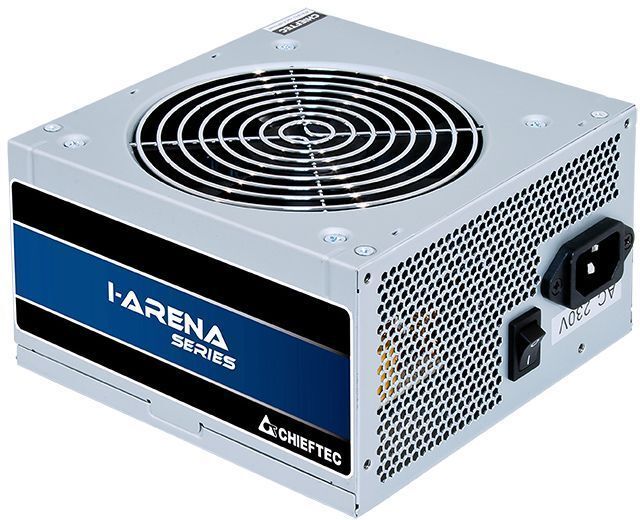
Products related to Chieftec-apex-q-e-atx:
-
Will an ATX motherboard fit in an E-ATX case?
No, an ATX motherboard will not fit in an E-ATX case. E-ATX cases are designed to accommodate larger motherboards, such as Extended ATX (E-ATX) or larger, while ATX motherboards are smaller and designed for standard ATX cases. It is important to ensure that the motherboard and case sizes are compatible to avoid any fitting issues. **
-
Will an ATX motherboard fit in a case designed for E-ATX motherboards?
No, an ATX motherboard will not fit in a case designed for E-ATX motherboards. E-ATX motherboards are larger in size than ATX motherboards, so the screw holes and form factor will not align properly. It is important to ensure that the motherboard and case sizes are compatible to avoid any fitting issues. **
-
What is the phase e and the phase q?
The phase e and the phase q are two components of the Park transformation, which is used to convert the three-phase quantities into a two-phase reference frame. The phase e represents the in-phase component of the three-phase system, while the phase q represents the quadrature component. These two components are orthogonal to each other and are used to simplify the analysis and control of three-phase systems, particularly in the context of electric machines and power systems. **
-
What is the difference between ATX and ATX?
There seems to be a typo in your question. It appears you are asking about the difference between ATX and ATX. If you meant to ask about the difference between ATX and ITX, I can provide an answer for that. ATX and ITX are both form factors for motherboards, with ATX being larger and offering more expansion slots and features, while ITX is smaller and more compact, suitable for smaller builds. ITX motherboards typically have fewer RAM slots, PCIe slots, and SATA ports compared to ATX motherboards. Ultimately, the choice between ATX and ITX depends on the specific needs and preferences of the user, such as the size of the case and the number of components to be installed. **
Similar search terms for Chieftec-apex-q-e-atx
-
Is this an ATX or a Micro ATX?
Based on the information provided, it is not possible to determine whether the motherboard is an ATX or a Micro ATX. The size and layout of the motherboard would need to be examined in order to make a determination. ATX motherboards are typically larger than Micro ATX motherboards, so comparing the physical dimensions of the motherboard would be necessary to identify which type it is. **
-
How do I switch from Micro ATX to ATX?
To switch from Micro ATX to ATX, you will need to replace your current Micro ATX motherboard with an ATX motherboard that is compatible with your existing components. Make sure to check the dimensions of your case to ensure it can accommodate the larger ATX motherboard. You may also need to consider upgrading your power supply unit to support the additional power requirements of the ATX motherboard. Finally, transfer your components such as CPU, RAM, and graphics card to the new ATX motherboard and ensure all connections are properly made. **
-
What is the difference between ATX and Mini-ATX?
ATX and Mini-ATX are both form factors for motherboards, with ATX being the larger of the two. ATX motherboards typically have more expansion slots and ports, allowing for more components to be added. Mini-ATX, on the other hand, is a smaller form factor, making it more suitable for compact builds or smaller cases. Mini-ATX motherboards may have fewer expansion slots and ports compared to ATX, but they are often more affordable and can still support a wide range of components. **
-
Is there an adapter from ATX to Micro ATX?
Yes, there are adapters available that allow you to mount a Micro ATX motherboard in an ATX case. These adapters typically come in the form of a mounting plate or tray that allows the smaller Micro ATX motherboard to be securely installed in the larger ATX case. It's important to ensure that the adapter is compatible with both the ATX case and the Micro ATX motherboard you are using. **
* All prices are inclusive of VAT and, if applicable, plus shipping costs. The offer information is based on the details provided by the respective shop and is updated through automated processes. Real-time updates do not occur, so deviations can occur in individual cases. ** Note: Parts of this content were created by AI.