Buy fpmin.com ?
We are moving the project
fpmin.com .
Are you interested in purchasing the domain
fpmin.com ?
domain@kv-gmbh.de · 0541-91531010
Buy fpmin.com ?
What is the difference between Economies of Scale and Economies of Scope?
Economies of scale refer to the cost advantages that a business can achieve as it increases its level of production. This can result from factors such as spreading fixed costs over a larger output, bulk purchasing discounts, and more efficient use of resources. On the other hand, economies of scope refer to the cost advantages that arise from producing a variety of products or services together, rather than just one. This can result from shared resources, such as marketing and distribution channels, as well as the ability to leverage a company's core competencies across multiple products or services. **
What are the Tiger economies?
The Tiger economies refer to the highly developed and industrialized economies of East Asia, including South Korea, Taiwan, Singapore, and Hong Kong. These countries experienced rapid economic growth and industrialization in the latter half of the 20th century, transforming from agrarian-based economies to industrial powerhouses. The term "Tiger economies" is derived from the "Four Asian Tigers," which originally referred to South Korea, Taiwan, Singapore, and Hong Kong, but has since been expanded to include other rapidly developing economies in the region. These countries are known for their export-oriented growth strategies, strong manufacturing sectors, and high levels of technological innovation. **


Similar search terms for Economies
Top-Angebote
Products related to Economies:
-
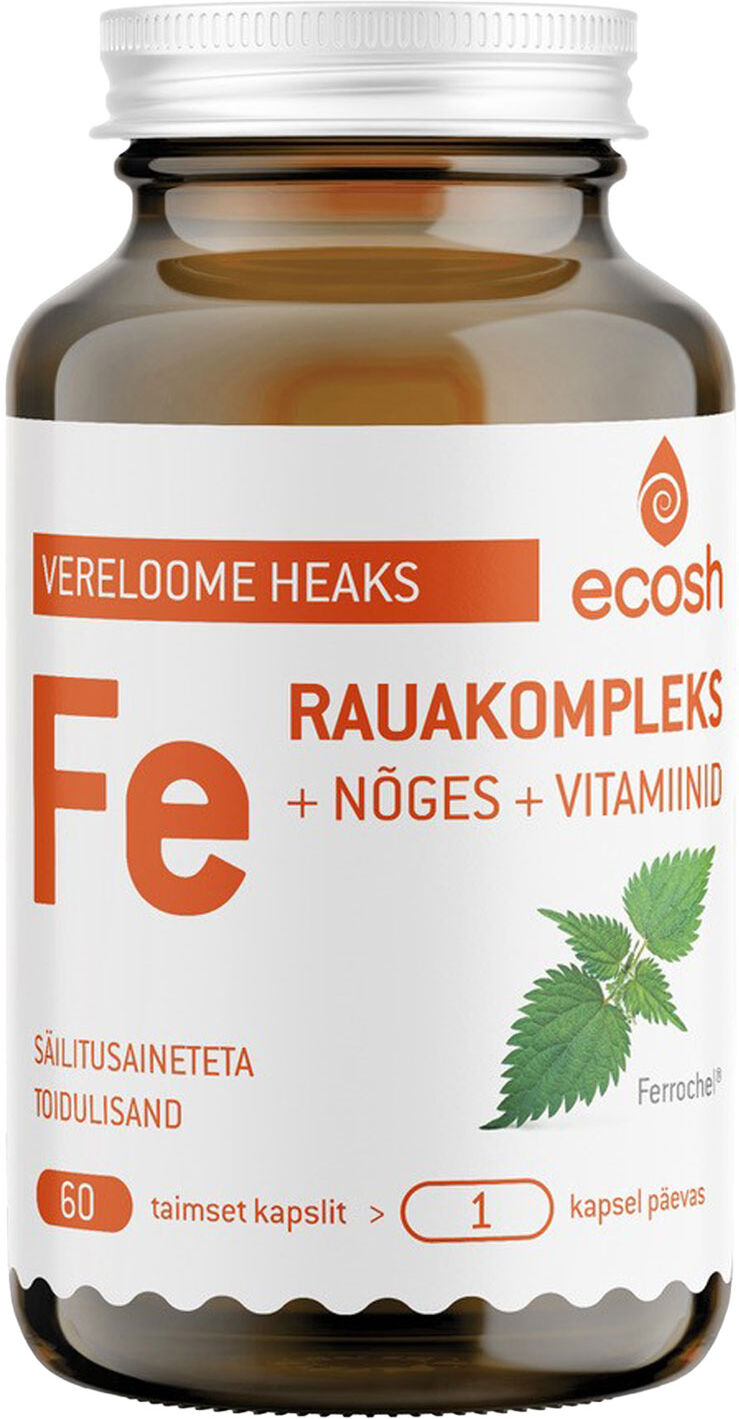
ECOSH Iron Complex + Nettle + Vitamins Capsules 60pcsThis product is intended for sale to the Estonian market. ECOSH Rauakompleks koos eestimaise nõgese ja oluliste vitamiinidega on toidulisand vereloome toetuseks ning väsimuse ja kurnatuse vähendamiseks. Nõgest võib pidada kohalikuks supertoiduks, mis soodustab organismis aluselist reaktsiooni. Väekas nõges annab jõudu ja aitab verd puhastada. Nõgest kasutatakse siis, kui vere näitajad on halvad ja väsimus kimbutab. Raud18,95 €*Shipping: 0,00 €Secure redirect to the provider
-
PHYTO Nutrition Nourishing Conditioner 175mlPHYTO Nourishing Conditioner ravitsee kuivia ja erittäin kuivia hiuksia tehden niistä pehmeät ja kiiltävät. Jojobaöljy rikastuttaa kuivia hiuksia välttämättömillä lipideillä, vahvistaa rakennetta ja suojaa kuivumiselta. Kashmiruute lisää kiiltoa. Silikoniton. 98 % luonnollisia ainesosia. Ei sisällä silikoneja, sulfaatteja eikä väriaineita.15,96 €*Shipping: 0,00 €Secure redirect to the provider



-
Are the Tiger economies emerging markets?
Yes, the Tiger economies are considered emerging markets. The term "Tiger economies" refers to the rapidly growing economies of South Korea, Taiwan, Singapore, and Hong Kong. These countries have experienced rapid industrialization, export-led growth, and technological advancement, leading to significant economic development. While they have made great strides in their economic growth, they are still considered emerging markets due to their ongoing development and potential for further growth and expansion. **
-
What are the similarities between planned and market economies?
Both planned and market economies aim to allocate resources efficiently to meet the needs of the society. Both systems involve the production and distribution of goods and services to fulfill demand. Additionally, both systems involve some level of government intervention, with planned economies having more centralized control and market economies having more decentralized decision-making. Both systems also aim to achieve economic growth and improve the standard of living for their citizens. **
-
What is the difference between emerging economies and developing countries?
Emerging economies refer to countries that are experiencing rapid industrialization and growth, often transitioning from a low-income to a middle-income status. Developing countries, on the other hand, are nations that are still in the early stages of economic development, with lower levels of income, infrastructure, and industrialization. While all emerging economies are developing countries, not all developing countries are considered emerging economies. Emerging economies typically have higher growth rates and more advanced industries compared to developing countries. **
-
What is the difference between developing countries and emerging economies?
Developing countries and emerging economies are often used interchangeably, but there is a subtle difference between the two. Developing countries typically refer to nations with low levels of industrialization, low per capita income, and high poverty rates. On the other hand, emerging economies are countries that are experiencing rapid economic growth, industrialization, and modernization, and are moving towards becoming developed nations. Emerging economies often have higher levels of foreign direct investment, infrastructure development, and technological advancement compared to developing countries. **


Can the economies of Sweden and China be easily compared?
The economies of Sweden and China cannot be easily compared due to their significant differences in size, structure, and development. Sweden has a small, open, and highly developed economy with a focus on innovation, technology, and high-value exports. On the other hand, China has a large, diverse, and rapidly growing economy with a focus on manufacturing, infrastructure development, and export-led growth. Additionally, Sweden has a strong welfare state and high levels of income equality, while China has a more diverse income distribution and a different approach to social welfare. Overall, the differences in size, structure, and development make it challenging to directly compare the economies of Sweden and China. **
What are the advantages and disadvantages of barter and monetary economies?
Barter economies allow for the direct exchange of goods and services without the need for a common medium of exchange, which can be advantageous in a situation where there is a lack of currency or a stable monetary system. However, barter economies can be inefficient and time-consuming, as finding someone who has what you need and also wants what you have can be challenging. On the other hand, monetary economies provide a widely accepted medium of exchange, making transactions more convenient and efficient. However, they can also lead to issues such as inflation, economic inequality, and the potential for financial crises. **
Top-Angebote
Products related to Economies:
-
IVYBEARS Womens Hair VitaminsIVYBEARS Womens Hair Vitamins are needed for the maintenance and growth of healthy hair. Thus, the hair is optimally supplied with the right minerals and vitamins every day and is in top shape! The great thing is, by the way, that they also strengthen the nails. The delicious bears give your hair extra energy, sustainably improve healthy hair growth and give shine and strength. IVYBEARS® hair vitamins for women are packed with biotin, folic acid and zinc. In addition, the bears contain key vitam15,95 €*Shipping: 0,00 €Secure redirect to the provider
-
MANUCURIST Nail Boost Supplements 60pcsLuonnollista alkuperää olevilla aktiiviaineilla ja vitamiineilla rikastetut MANUCURIST Nail Boost Supplements -ravintolisät ravitsevat ja vahvistavat kynsiä sisältäpäin. Tämä tiivistetty koostumus on kapseloitu kasvipohjaisiin, gluteenittomiin kapseleihin. Kliinisesti todistetut tulokset*: +25 % nopeampi kynsien kasvu. +79 % kynsiä silottava vaikutus. +77 % kynsien kosteutus. +77 % kynsien kovuus. 100 % oli sitä mieltä, että heidän kyntensä lohkeilivat vähemmän. 87 % oli sitä mieltä, että uurtee29,95 €*Shipping: 0,00 €Secure redirect to the provider
-
What is the difference between Economies of Scale and Economies of Scope?
Economies of scale refer to the cost advantages that a business can achieve as it increases its level of production. This can result from factors such as spreading fixed costs over a larger output, bulk purchasing discounts, and more efficient use of resources. On the other hand, economies of scope refer to the cost advantages that arise from producing a variety of products or services together, rather than just one. This can result from shared resources, such as marketing and distribution channels, as well as the ability to leverage a company's core competencies across multiple products or services. **
-
What are the Tiger economies?
The Tiger economies refer to the highly developed and industrialized economies of East Asia, including South Korea, Taiwan, Singapore, and Hong Kong. These countries experienced rapid economic growth and industrialization in the latter half of the 20th century, transforming from agrarian-based economies to industrial powerhouses. The term "Tiger economies" is derived from the "Four Asian Tigers," which originally referred to South Korea, Taiwan, Singapore, and Hong Kong, but has since been expanded to include other rapidly developing economies in the region. These countries are known for their export-oriented growth strategies, strong manufacturing sectors, and high levels of technological innovation. **
-
Are the Tiger economies emerging markets?
Yes, the Tiger economies are considered emerging markets. The term "Tiger economies" refers to the rapidly growing economies of South Korea, Taiwan, Singapore, and Hong Kong. These countries have experienced rapid industrialization, export-led growth, and technological advancement, leading to significant economic development. While they have made great strides in their economic growth, they are still considered emerging markets due to their ongoing development and potential for further growth and expansion. **
-
What are the similarities between planned and market economies?
Both planned and market economies aim to allocate resources efficiently to meet the needs of the society. Both systems involve the production and distribution of goods and services to fulfill demand. Additionally, both systems involve some level of government intervention, with planned economies having more centralized control and market economies having more decentralized decision-making. Both systems also aim to achieve economic growth and improve the standard of living for their citizens. **
Similar search terms for Economies
-
ECOSH Iron Complex + Nettle + Vitamins Capsules 60pcsThis product is intended for sale to the Estonian market. ECOSH Rauakompleks koos eestimaise nõgese ja oluliste vitamiinidega on toidulisand vereloome toetuseks ning väsimuse ja kurnatuse vähendamiseks. Nõgest võib pidada kohalikuks supertoiduks, mis soodustab organismis aluselist reaktsiooni. Väekas nõges annab jõudu ja aitab verd puhastada. Nõgest kasutatakse siis, kui vere näitajad on halvad ja väsimus kimbutab. Raud18,95 €*Shipping: 0,00 €Secure redirect to the provider
-
PHYTO Nutrition Nourishing Conditioner 175mlPHYTO Nourishing Conditioner ravitsee kuivia ja erittäin kuivia hiuksia tehden niistä pehmeät ja kiiltävät. Jojobaöljy rikastuttaa kuivia hiuksia välttämättömillä lipideillä, vahvistaa rakennetta ja suojaa kuivumiselta. Kashmiruute lisää kiiltoa. Silikoniton. 98 % luonnollisia ainesosia. Ei sisällä silikoneja, sulfaatteja eikä väriaineita.15,96 €*Shipping: 0,00 €Secure redirect to the provider
-
PYUNKANG YUL Nutrition Cream 100mlKevyt mutta runsasrakenteinen PYUNKANG YUL Nutrition Face Cream -kasvovoide kosteuttaa ja ravitsee kuivaa ihoa, vahvistaa suojakerrosta ja auttaa ylläpitämään ihon luonnollista kosteustasapainoa, palauttaa elinvoiman, kimmoisuuden ja raikkaan säteilyn. Sen koostumus korvaa veden isoflavonoidi- ja kalykosiinirikkaalla sudenpihlajajuuren uutteella, joka rauhoittaa ihoa, vähentää ärsytystä ja vahvistaa sen luonnollista puolustuskykyä. Karitevoi kosteuttaa kuivaa ihoa syvästi, palauttaa sen mukavuud31,95 €*Shipping: 0,00 €Secure redirect to the provider
-
What is the difference between emerging economies and developing countries?
Emerging economies refer to countries that are experiencing rapid industrialization and growth, often transitioning from a low-income to a middle-income status. Developing countries, on the other hand, are nations that are still in the early stages of economic development, with lower levels of income, infrastructure, and industrialization. While all emerging economies are developing countries, not all developing countries are considered emerging economies. Emerging economies typically have higher growth rates and more advanced industries compared to developing countries. **
-
What is the difference between developing countries and emerging economies?
Developing countries and emerging economies are often used interchangeably, but there is a subtle difference between the two. Developing countries typically refer to nations with low levels of industrialization, low per capita income, and high poverty rates. On the other hand, emerging economies are countries that are experiencing rapid economic growth, industrialization, and modernization, and are moving towards becoming developed nations. Emerging economies often have higher levels of foreign direct investment, infrastructure development, and technological advancement compared to developing countries. **
-
Can the economies of Sweden and China be easily compared?
The economies of Sweden and China cannot be easily compared due to their significant differences in size, structure, and development. Sweden has a small, open, and highly developed economy with a focus on innovation, technology, and high-value exports. On the other hand, China has a large, diverse, and rapidly growing economy with a focus on manufacturing, infrastructure development, and export-led growth. Additionally, Sweden has a strong welfare state and high levels of income equality, while China has a more diverse income distribution and a different approach to social welfare. Overall, the differences in size, structure, and development make it challenging to directly compare the economies of Sweden and China. **
-
What are the advantages and disadvantages of barter and monetary economies?
Barter economies allow for the direct exchange of goods and services without the need for a common medium of exchange, which can be advantageous in a situation where there is a lack of currency or a stable monetary system. However, barter economies can be inefficient and time-consuming, as finding someone who has what you need and also wants what you have can be challenging. On the other hand, monetary economies provide a widely accepted medium of exchange, making transactions more convenient and efficient. However, they can also lead to issues such as inflation, economic inequality, and the potential for financial crises. **
* All prices are inclusive of VAT and, if applicable, plus shipping costs. The offer information is based on the details provided by the respective shop and is updated through automated processes. Real-time updates do not occur, so deviations can occur in individual cases. ** Note: Parts of this content were created by AI.