Buy fpmin.com ?
We are moving the project
fpmin.com .
Are you interested in purchasing the domain
fpmin.com ?
domain@kv-gmbh.de · 0541-91531010
Buy fpmin.com ?
What are microorganisms?
Microorganisms are tiny living organisms that are too small to be seen with the naked eye. They include bacteria, viruses, fungi, and protists. Microorganisms can be found in almost every environment on Earth, including soil, water, and the human body. While some microorganisms can cause disease, many are beneficial and play important roles in processes such as decomposition, nutrient cycling, and food production. **
How do microorganisms reproduce?
Microorganisms reproduce through a process called binary fission, where a single cell divides into two identical daughter cells. This process allows microorganisms to rapidly increase in number. Some microorganisms, like bacteria, can also reproduce through conjugation, where genetic material is exchanged between two cells. Overall, microorganisms have various methods of reproduction that allow them to adapt and thrive in different environments. **

Similar search terms for Microorganisms
Top-Angebote
Products related to Microorganisms:
-
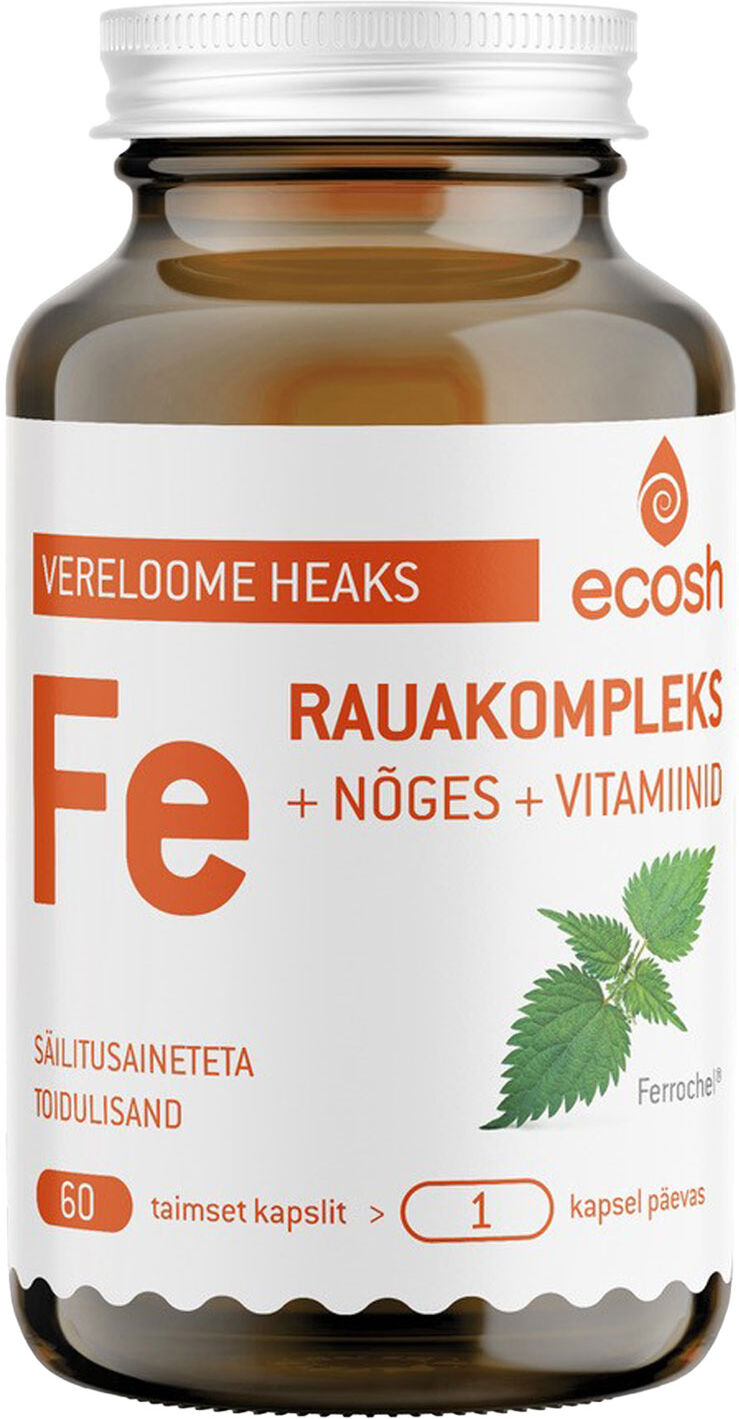
ECOSH Iron Complex + Nettle + Vitamins Capsules 60pcsThis product is intended for sale to the Estonian market. ECOSH Rauakompleks koos eestimaise nõgese ja oluliste vitamiinidega on toidulisand vereloome toetuseks ning väsimuse ja kurnatuse vähendamiseks. Nõgest võib pidada kohalikuks supertoiduks, mis soodustab organismis aluselist reaktsiooni. Väekas nõges annab jõudu ja aitab verd puhastada. Nõgest kasutatakse siis, kui vere näitajad on halvad ja väsimus kimbutab. Raud18,95 €*Shipping: 0,00 €Secure redirect to the provider
-
PHYTO Nutrition Nourishing Conditioner 175mlPHYTO Nourishing Conditioner ravitsee kuivia ja erittäin kuivia hiuksia tehden niistä pehmeät ja kiiltävät. Jojobaöljy rikastuttaa kuivia hiuksia välttämättömillä lipideillä, vahvistaa rakennetta ja suojaa kuivumiselta. Kashmiruute lisää kiiltoa. Silikoniton. 98 % luonnollisia ainesosia. Ei sisällä silikoneja, sulfaatteja eikä väriaineita.15,96 €*Shipping: 0,00 €Secure redirect to the provider



-
Can microorganisms pass through materials?
Yes, microorganisms can pass through materials depending on their size and the porosity of the material. Some microorganisms are small enough to pass through tiny openings in materials like fabrics, filters, or even some types of plastics. This is why it is important to use materials that are specifically designed to block the passage of microorganisms in certain applications, such as in medical settings or food processing. **
-
What are the smallest microorganisms?
The smallest microorganisms are bacteria and archaea. These single-celled organisms are so tiny that they can only be seen under a microscope. Some bacteria and archaea are as small as 0.2 micrometers in diameter, making them the smallest known living organisms. Despite their small size, bacteria and archaea play crucial roles in various ecosystems and are essential for many biochemical processes. **
-
Do microorganisms die in acid?
Yes, many microorganisms can die in acidic conditions. Acidic environments can disrupt the cell membranes and denature the proteins of microorganisms, leading to their death. However, some microorganisms, suchjson as acidophilic bacteria, are able to survive and even thrive in acidic conditions. These acidophilic microorganisms have evolved mechanisms to maintain their internal pH and protect their cellular structures from the damaging effects of acidity. **
-
Why do microorganisms spoil food?
Microorganisms spoil food because they use the nutrients in the food as a source of energy and growth. Bacteria, molds, and yeasts are the main culprits of food spoilage, and they thrive in the right conditions of moisture, warmth, and pH levels. As they grow and reproduce, they produce enzymes and waste products that break down the food's proteins, fats, and carbohydrates, leading to changes in texture, color, flavor, and odor. This ultimately makes the food unpalatable and unsafe to eat. **


What do microorganisms need to reproduce?
Microorganisms need a suitable environment with the right temperature, pH level, and nutrients to reproduce. They also require moisture and oxygen to carry out their metabolic processes and grow. Additionally, some microorganisms may need specific conditions such as light or darkness to reproduce successfully. Overall, providing the necessary environmental conditions is crucial for the reproduction of microorganisms. **
What types of microorganisms could arise?
Various types of microorganisms could arise, including bacteria, viruses, fungi, and protists. These microorganisms could be pathogenic, causing diseases in humans, animals, or plants, or they could be beneficial, such as those involved in nutrient cycling, decomposition, or symbiotic relationships. The specific types of microorganisms that arise would depend on the environmental conditions, available resources, and interactions with other organisms. Additionally, genetic mutations and horizontal gene transfer could contribute to the emergence of new microorganism variants. **
Top-Angebote
Products related to Microorganisms:
-
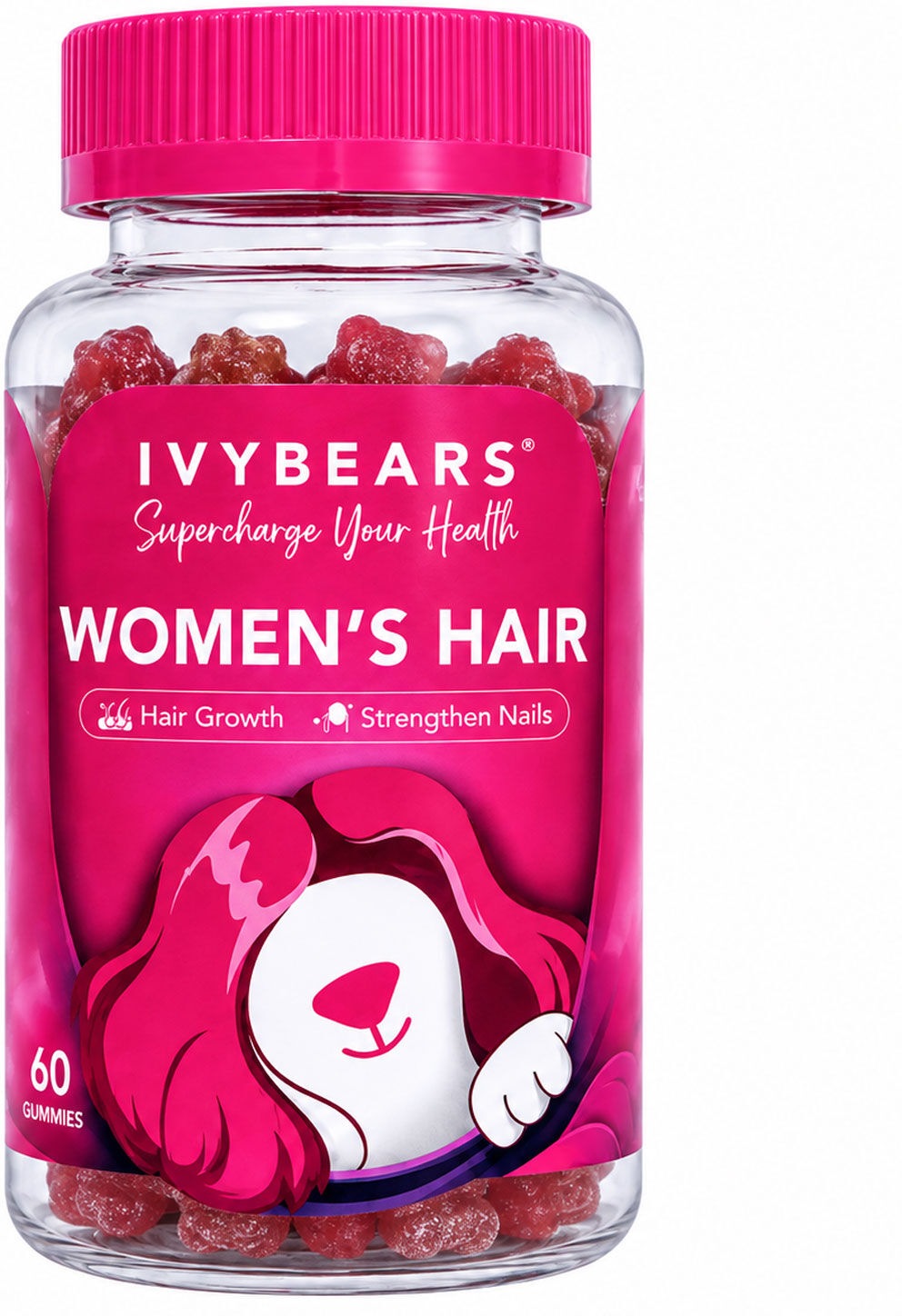
IVYBEARS Womens Hair VitaminsIVYBEARS Womens Hair Vitamins are needed for the maintenance and growth of healthy hair. Thus, the hair is optimally supplied with the right minerals and vitamins every day and is in top shape! The great thing is, by the way, that they also strengthen the nails. The delicious bears give your hair extra energy, sustainably improve healthy hair growth and give shine and strength. IVYBEARS® hair vitamins for women are packed with biotin, folic acid and zinc. In addition, the bears contain key vitam15,95 €*Shipping: 0,00 €Secure redirect to the provider
-
MANUCURIST Nail Boost Supplements 60pcsLuonnollista alkuperää olevilla aktiiviaineilla ja vitamiineilla rikastetut MANUCURIST Nail Boost Supplements -ravintolisät ravitsevat ja vahvistavat kynsiä sisältäpäin. Tämä tiivistetty koostumus on kapseloitu kasvipohjaisiin, gluteenittomiin kapseleihin. Kliinisesti todistetut tulokset*: +25 % nopeampi kynsien kasvu. +79 % kynsiä silottava vaikutus. +77 % kynsien kosteutus. +77 % kynsien kovuus. 100 % oli sitä mieltä, että heidän kyntensä lohkeilivat vähemmän. 87 % oli sitä mieltä, että uurtee29,95 €*Shipping: 0,00 €Secure redirect to the provider
-
What are microorganisms?
Microorganisms are tiny living organisms that are too small to be seen with the naked eye. They include bacteria, viruses, fungi, and protists. Microorganisms can be found in almost every environment on Earth, including soil, water, and the human body. While some microorganisms can cause disease, many are beneficial and play important roles in processes such as decomposition, nutrient cycling, and food production. **
-
How do microorganisms reproduce?
Microorganisms reproduce through a process called binary fission, where a single cell divides into two identical daughter cells. This process allows microorganisms to rapidly increase in number. Some microorganisms, like bacteria, can also reproduce through conjugation, where genetic material is exchanged between two cells. Overall, microorganisms have various methods of reproduction that allow them to adapt and thrive in different environments. **
-
Can microorganisms pass through materials?
Yes, microorganisms can pass through materials depending on their size and the porosity of the material. Some microorganisms are small enough to pass through tiny openings in materials like fabrics, filters, or even some types of plastics. This is why it is important to use materials that are specifically designed to block the passage of microorganisms in certain applications, such as in medical settings or food processing. **
-
What are the smallest microorganisms?
The smallest microorganisms are bacteria and archaea. These single-celled organisms are so tiny that they can only be seen under a microscope. Some bacteria and archaea are as small as 0.2 micrometers in diameter, making them the smallest known living organisms. Despite their small size, bacteria and archaea play crucial roles in various ecosystems and are essential for many biochemical processes. **
Similar search terms for Microorganisms
-
ECOSH Iron Complex + Nettle + Vitamins Capsules 60pcsThis product is intended for sale to the Estonian market. ECOSH Rauakompleks koos eestimaise nõgese ja oluliste vitamiinidega on toidulisand vereloome toetuseks ning väsimuse ja kurnatuse vähendamiseks. Nõgest võib pidada kohalikuks supertoiduks, mis soodustab organismis aluselist reaktsiooni. Väekas nõges annab jõudu ja aitab verd puhastada. Nõgest kasutatakse siis, kui vere näitajad on halvad ja väsimus kimbutab. Raud18,95 €*Shipping: 0,00 €Secure redirect to the provider
-
PHYTO Nutrition Nourishing Conditioner 175mlPHYTO Nourishing Conditioner ravitsee kuivia ja erittäin kuivia hiuksia tehden niistä pehmeät ja kiiltävät. Jojobaöljy rikastuttaa kuivia hiuksia välttämättömillä lipideillä, vahvistaa rakennetta ja suojaa kuivumiselta. Kashmiruute lisää kiiltoa. Silikoniton. 98 % luonnollisia ainesosia. Ei sisällä silikoneja, sulfaatteja eikä väriaineita.15,96 €*Shipping: 0,00 €Secure redirect to the provider
-
PYUNKANG YUL Nutrition Cream 100mlKevyt mutta runsasrakenteinen PYUNKANG YUL Nutrition Face Cream -kasvovoide kosteuttaa ja ravitsee kuivaa ihoa, vahvistaa suojakerrosta ja auttaa ylläpitämään ihon luonnollista kosteustasapainoa, palauttaa elinvoiman, kimmoisuuden ja raikkaan säteilyn. Sen koostumus korvaa veden isoflavonoidi- ja kalykosiinirikkaalla sudenpihlajajuuren uutteella, joka rauhoittaa ihoa, vähentää ärsytystä ja vahvistaa sen luonnollista puolustuskykyä. Karitevoi kosteuttaa kuivaa ihoa syvästi, palauttaa sen mukavuud31,95 €*Shipping: 0,00 €Secure redirect to the provider
-
Do microorganisms die in acid?
Yes, many microorganisms can die in acidic conditions. Acidic environments can disrupt the cell membranes and denature the proteins of microorganisms, leading to their death. However, some microorganisms, suchjson as acidophilic bacteria, are able to survive and even thrive in acidic conditions. These acidophilic microorganisms have evolved mechanisms to maintain their internal pH and protect their cellular structures from the damaging effects of acidity. **
-
Why do microorganisms spoil food?
Microorganisms spoil food because they use the nutrients in the food as a source of energy and growth. Bacteria, molds, and yeasts are the main culprits of food spoilage, and they thrive in the right conditions of moisture, warmth, and pH levels. As they grow and reproduce, they produce enzymes and waste products that break down the food's proteins, fats, and carbohydrates, leading to changes in texture, color, flavor, and odor. This ultimately makes the food unpalatable and unsafe to eat. **
-
What do microorganisms need to reproduce?
Microorganisms need a suitable environment with the right temperature, pH level, and nutrients to reproduce. They also require moisture and oxygen to carry out their metabolic processes and grow. Additionally, some microorganisms may need specific conditions such as light or darkness to reproduce successfully. Overall, providing the necessary environmental conditions is crucial for the reproduction of microorganisms. **
-
What types of microorganisms could arise?
Various types of microorganisms could arise, including bacteria, viruses, fungi, and protists. These microorganisms could be pathogenic, causing diseases in humans, animals, or plants, or they could be beneficial, such as those involved in nutrient cycling, decomposition, or symbiotic relationships. The specific types of microorganisms that arise would depend on the environmental conditions, available resources, and interactions with other organisms. Additionally, genetic mutations and horizontal gene transfer could contribute to the emergence of new microorganism variants. **
* All prices are inclusive of VAT and, if applicable, plus shipping costs. The offer information is based on the details provided by the respective shop and is updated through automated processes. Real-time updates do not occur, so deviations can occur in individual cases. ** Note: Parts of this content were created by AI.