Buy fpmin.com ?
We are moving the project
fpmin.com .
Are you interested in purchasing the domain
fpmin.com ?
domain@kv-gmbh.de · 0541-91531010
Buy fpmin.com ?
What does a diet meal plan look like?
A diet meal plan typically includes a variety of healthy and nutritious foods such as lean proteins, whole grains, fruits, vegetables, and healthy fats. Portion control is also an important aspect of a diet meal plan, as it helps to manage calorie intake. The plan may include a balance of macronutrients such as carbohydrates, proteins, and fats, and may also incorporate specific dietary guidelines or restrictions based on individual needs or goals. Additionally, a diet meal plan may include a schedule for meals and snacks throughout the day to help maintain energy levels and manage hunger. **
What is the One Meal a Day diet?
The One Meal a Day (OMAD) diet is a type of intermittent fasting where individuals only eat one large meal within a one-hour eating window each day. The rest of the day is spent fasting, typically for 23 hours. This diet is believed to help with weight loss, improve metabolism, and simplify meal planning. It is important to ensure that the one meal consumed is balanced and provides all the necessary nutrients for the day. **


Similar search terms for Nupo---Diet-Meal
Top-Angebote
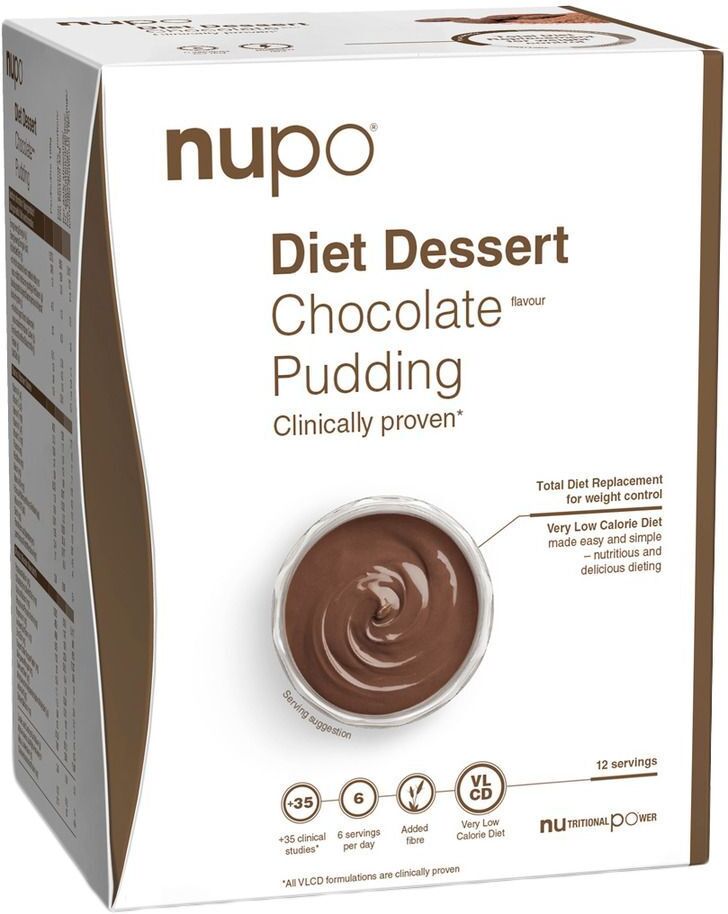
Products related to Nupo---Diet-Meal:



-
How effective is the OMAD (One Meal a Day) diet?
The effectiveness of the OMAD diet can vary from person to person. Some people may find it effective for weight loss and improved metabolic health, as it can lead to a calorie deficit and potential improvements in insulin sensitivity. However, it may not be sustainable or suitable for everyone, as it can be challenging to consume all necessary nutrients in one meal and may lead to feelings of extreme hunger and fatigue. It's important to consult with a healthcare professional before starting any new diet to ensure it is safe and appropriate for individual health needs. **
-
Is the diet plan for the dietary change and the meal plan okay?
The effectiveness of a diet plan for a dietary change and meal plan depends on various factors such as individual health goals, nutritional needs, and preferences. It is essential to ensure that the diet plan is balanced, provides all necessary nutrients, and is sustainable in the long term. Consulting with a healthcare professional or a registered dietitian can help tailor a plan that meets specific needs and ensures overall health and well-being. **
-
What is the difference between Nutrition and Diet?
Nutrition refers to the process of obtaining the necessary nutrients from food for growth, metabolism, and overall health. It focuses on the quality of food and its impact on the body. On the other hand, a diet is a specific eating plan that someone follows for various reasons such as weight loss, managing health conditions, or achieving specific fitness goals. While nutrition is a broader concept that encompasses all aspects of food and its effects on the body, a diet is a more specific and structured approach to eating. **
-
What is meant by nutrition in the complex of diet and nutrition?
Nutrition in the complex of diet and nutrition refers to the process of obtaining and consuming food that provides the necessary nutrients for the body to function properly. It involves not only the types of foods we eat but also the way our bodies digest, absorb, and utilize these nutrients. A balanced diet is essential for good nutrition, as it ensures that we are getting all the essential nutrients in the right amounts to support our overall health and well-being. Proper nutrition plays a crucial role in maintaining a healthy weight, preventing chronic diseases, and promoting optimal physical and mental performance. **


What is meant by diet and nutrition in the context of nutrition?
Diet refers to the specific food and drink choices that a person makes on a daily basis, while nutrition refers to the process by which the body takes in and utilizes these foods and drinks for energy, growth, and overall health. Diet and nutrition are closely related, as the quality and quantity of the foods and drinks consumed directly impact the body's overall health and well-being. A balanced diet, which includes a variety of nutrients such as carbohydrates, proteins, fats, vitamins, and minerals, is essential for good nutrition and optimal health. Therefore, paying attention to both diet and nutrition is important for maintaining a healthy lifestyle. **
Which dietary supplements are recommended for the hCG diet?
The hCG diet typically recommends taking certain dietary supplements to support overall health and well-being while following the low-calorie protocol. Some common dietary supplements recommended for the hCG diet include: 1. Multivitamins: To ensure you are getting essential vitamins and minerals that may be lacking due to the restricted calorie intake. 2. Omega-3 fatty acids: To support heart health and reduce inflammation. 3. Vitamin D: To support bone health and immune function. 4. Magnesium: To help with muscle function and energy production. 5. Probiotics: To support gut health and digestion. It is important to consult with a healthcare provider before starting any new dietary supplements to ensure they are safe and appropriate for your individual needs. **
Top-Angebote
Products related to Nupo---Diet-Meal:
-
What does a diet meal plan look like?
A diet meal plan typically includes a variety of healthy and nutritious foods such as lean proteins, whole grains, fruits, vegetables, and healthy fats. Portion control is also an important aspect of a diet meal plan, as it helps to manage calorie intake. The plan may include a balance of macronutrients such as carbohydrates, proteins, and fats, and may also incorporate specific dietary guidelines or restrictions based on individual needs or goals. Additionally, a diet meal plan may include a schedule for meals and snacks throughout the day to help maintain energy levels and manage hunger. **
-
What is the One Meal a Day diet?
The One Meal a Day (OMAD) diet is a type of intermittent fasting where individuals only eat one large meal within a one-hour eating window each day. The rest of the day is spent fasting, typically for 23 hours. This diet is believed to help with weight loss, improve metabolism, and simplify meal planning. It is important to ensure that the one meal consumed is balanced and provides all the necessary nutrients for the day. **
-
How effective is the OMAD (One Meal a Day) diet?
The effectiveness of the OMAD diet can vary from person to person. Some people may find it effective for weight loss and improved metabolic health, as it can lead to a calorie deficit and potential improvements in insulin sensitivity. However, it may not be sustainable or suitable for everyone, as it can be challenging to consume all necessary nutrients in one meal and may lead to feelings of extreme hunger and fatigue. It's important to consult with a healthcare professional before starting any new diet to ensure it is safe and appropriate for individual health needs. **
-
Is the diet plan for the dietary change and the meal plan okay?
The effectiveness of a diet plan for a dietary change and meal plan depends on various factors such as individual health goals, nutritional needs, and preferences. It is essential to ensure that the diet plan is balanced, provides all necessary nutrients, and is sustainable in the long term. Consulting with a healthcare professional or a registered dietitian can help tailor a plan that meets specific needs and ensures overall health and well-being. **
Similar search terms for Nupo---Diet-Meal
-
What is the difference between Nutrition and Diet?
Nutrition refers to the process of obtaining the necessary nutrients from food for growth, metabolism, and overall health. It focuses on the quality of food and its impact on the body. On the other hand, a diet is a specific eating plan that someone follows for various reasons such as weight loss, managing health conditions, or achieving specific fitness goals. While nutrition is a broader concept that encompasses all aspects of food and its effects on the body, a diet is a more specific and structured approach to eating. **
-
What is meant by nutrition in the complex of diet and nutrition?
Nutrition in the complex of diet and nutrition refers to the process of obtaining and consuming food that provides the necessary nutrients for the body to function properly. It involves not only the types of foods we eat but also the way our bodies digest, absorb, and utilize these nutrients. A balanced diet is essential for good nutrition, as it ensures that we are getting all the essential nutrients in the right amounts to support our overall health and well-being. Proper nutrition plays a crucial role in maintaining a healthy weight, preventing chronic diseases, and promoting optimal physical and mental performance. **
-
What is meant by diet and nutrition in the context of nutrition?
Diet refers to the specific food and drink choices that a person makes on a daily basis, while nutrition refers to the process by which the body takes in and utilizes these foods and drinks for energy, growth, and overall health. Diet and nutrition are closely related, as the quality and quantity of the foods and drinks consumed directly impact the body's overall health and well-being. A balanced diet, which includes a variety of nutrients such as carbohydrates, proteins, fats, vitamins, and minerals, is essential for good nutrition and optimal health. Therefore, paying attention to both diet and nutrition is important for maintaining a healthy lifestyle. **
-
Which dietary supplements are recommended for the hCG diet?
The hCG diet typically recommends taking certain dietary supplements to support overall health and well-being while following the low-calorie protocol. Some common dietary supplements recommended for the hCG diet include: 1. Multivitamins: To ensure you are getting essential vitamins and minerals that may be lacking due to the restricted calorie intake. 2. Omega-3 fatty acids: To support heart health and reduce inflammation. 3. Vitamin D: To support bone health and immune function. 4. Magnesium: To help with muscle function and energy production. 5. Probiotics: To support gut health and digestion. It is important to consult with a healthcare provider before starting any new dietary supplements to ensure they are safe and appropriate for your individual needs. **
* All prices are inclusive of VAT and, if applicable, plus shipping costs. The offer information is based on the details provided by the respective shop and is updated through automated processes. Real-time updates do not occur, so deviations can occur in individual cases. ** Note: Parts of this content were created by AI.