Buy fpmin.com ?
We are moving the project
fpmin.com .
Are you interested in purchasing the domain
fpmin.com ?
domain@kv-gmbh.de · 0541-91531010
Buy fpmin.com ?
What is the difference between synthetic oil and mineral oil?
The main difference between synthetic oil and mineral oil lies in their composition. Synthetic oil is made from artificially produced chemical compounds, while mineral oil is derived from naturally occurring crude oil. Synthetic oil is designed to have a more uniform molecular structure, which can provide better lubrication and protection for the engine. On the other hand, mineral oil may contain impurities and have a less consistent composition. Additionally, synthetic oil generally offers better performance in extreme temperatures and under heavy loads compared to mineral oil. **
What is the chemical difference between mineral oil and plant oil?
Mineral oil is a byproduct of petroleum refining and is composed of hydrocarbons, while plant oil is derived from plants and is composed of triglycerides. The main difference between the two is their chemical composition - mineral oil is a mixture of saturated hydrocarbons, while plant oil contains a variety of fatty acids. Plant oils also contain vitamins, antioxidants, and other beneficial compounds that are not present in mineral oil. **

Similar search terms for Oil
Top-Angebote
Products related to Oil:




-
What is the chemical difference between mineral oil and vegetable oil?
The main chemical difference between mineral oil and vegetable oil lies in their composition. Mineral oil is a byproduct of petroleum refining and is composed of hydrocarbons, while vegetable oil is derived from plants and is composed of triglycerides. This difference in composition also affects their properties, with mineral oil being more stable and less prone to oxidation compared to vegetable oil. Additionally, mineral oil is odorless and tasteless, while vegetable oil may have a distinct flavor and aroma. **
-
Should the mineral oil tax be increased?
The decision to increase the mineral oil tax should be carefully considered based on various factors such as its impact on the economy, environment, and consumers. Increasing the tax could help reduce carbon emissions and promote the use of alternative energy sources. However, it could also lead to higher prices for consumers and potentially harm industries that rely heavily on mineral oil. Therefore, a balanced approach that takes into account all these factors is necessary before deciding on whether to increase the mineral oil tax. **
-
How do you dye mineral oil paraffin?
To dye mineral oil paraffin, you will need to first choose a dye that is compatible with oil-based products. Once you have the dye, you can mix it with the mineral oil paraffin in a separate container, stirring thoroughly to ensure the dye is evenly distributed. It is important to use the appropriate amount of dye to achieve the desired color intensity. After the dye is mixed in, you can use the colored mineral oil paraffin for your intended application, such as candle making or cosmetic formulation. **
-
What is the mineral oil tax for cars?
The mineral oil tax for cars, also known as the gasoline tax, varies by country and is typically based on the volume of fuel purchased. In the United States, the federal gasoline tax is 18.4 cents per gallon for gasoline and 24.4 cents per gallon for diesel fuel. In addition to the federal tax, each state may also impose its own gasoline tax, which can vary widely. These taxes are used to fund transportation infrastructure and maintenance projects. **


Are oil paints harmful to health?
Oil paints can be harmful to health if proper precautions are not taken. The pigments and solvents in oil paints can release harmful fumes and particles, which can be inhaled or absorbed through the skin. Prolonged exposure to these substances can lead to respiratory issues, skin irritation, and other health problems. It is important to use oil paints in a well-ventilated area, wear protective gear such as gloves and a mask, and properly dispose of any waste materials to minimize the health risks. **
How are mineral oil companies and energy suppliers taxed?
Mineral oil companies and energy suppliers are typically taxed based on their profits and revenues. They may be subject to corporate income tax, which is a tax on the profits they earn from their operations. Additionally, they may also be subject to specific taxes or royalties on the extraction or production of mineral oil or energy resources. These taxes can vary by country and region, and may be influenced by factors such as the type of energy resource being extracted and the specific tax laws in place. **
Top-Angebote
Products related to Oil:
-
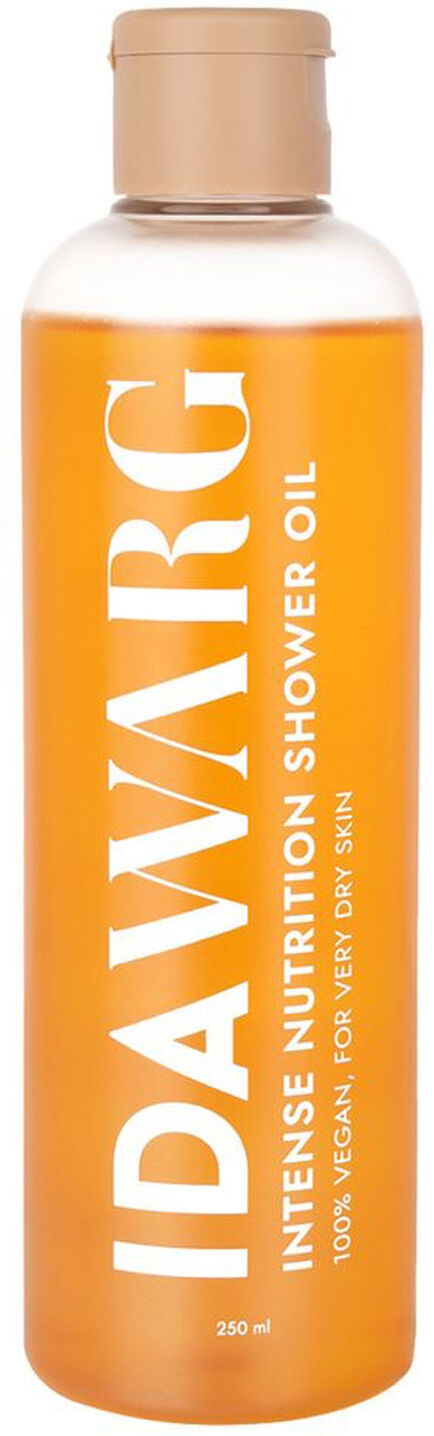
IDA WARG Intense Nutrition Shower Oil 250mlIDA WARG Intense Nutrition Shower Oil sisältää E-vitamiinia ja siankärsämöuutetta, jotka rauhoittavat ja ravitsevat ihoa. Suihkuöljy on rikastettu pehmentävillä ja kosteuttavilla öljyillä, kuten kaura-, rypsi-, risiini- ja auringonkukkaöljyllä. Tuoksussa on vaniljan, kookoksen ja jasmiinin vivahteita. 100 % vegaaninen. Cruelty-free.15,95 €*Shipping: 0,00 €Secure redirect to the provider
-
Supermass Nutrition SUPER VITAMINS - 180 kapsSupermass Nutrition Super Vitamins on monivitamiinien uusi kuningas! Kaipaako suorituskykysi boostia, ja meinaako hyvä treeniputki katketa kesken kaiken, kun puhti ja veto loppuu kesken? Tai ehkä etsit yhtä monivitamiinituotetta, jonka myötä voit heittää kymmenet purkit roskakoriin ja helpottaa arkea merkittävästi. Supermass Nutrition Super Vitamins on valikoimamme ylivoimaisesti monipuolisin, tehokkain, järein ja PARAS monivitamiini-mineraalivalmiste - sen sisältämät 33 tarkkaan valikoitua ainesosaa toimivat synergisesti, ja ne maksimoivat niin fyysisen kuin mentaalisen suorituskykysi niin arjen haasteiden aikana kuin kovien treenien tuoksinnassakin. Super Vitamins sisältää niin monta ainesosaa, että niiden kaikkien yksittäistä vaikutusmekanismia on lähes mahdotonta avata tässä. Keskitymmekin siis ainesosien muutamaan olennaiseen mekanismiin, joiden kautta tuote parantaa hyvinvointiasi, tukee lihasten kasvua ja kehitystä ja esimerkiksi optimoi palautumista ja unen laatua: Siperian ginseng -juurijauhe & Ginseng-uute – Adaptogeenit, jotka auttavat parantamaan fyysistä suorituskykyä, stressinsietokykyä ja energiatasoja. Ne myös tukevat kehon palautumista rasituksesta ja parantavat kestävyyttä. Diosmin – Parantaa verenkiertoa, joka nopeuttaa lihasten palautumista ja auttaa vähentämään lihaskipuja ja turvotusta fyysisen rasituksen jälkeen. L-karnitiinitartraatti – Tukee rasva-aineenvaihduntaa ja energian tuotantoa kehossa, parantaa kestävyyttä sekä auttaa vähentämään lihaskipuja ja nopeuttaa palautumista. DL-koliinibitartraatti – Tärkeä vitamiini hermoston toiminnalle ja solukalvojen muodostukselle. Koliini parantaa kognitiivista suorituskykyä ja tukee aineenvaihduntaa. Ruusunmarjajauhe & C-vitamiini – Nämä tehokkaat antioksidantit, vähentävät tulehdusta, tukevat immuunijärjestelmää ja edistävät kollageenin muodostumista, joka taas on tärkeää lihasten ja nivelten terveyden kannalta. Rypäleensiemenuute & Pinus Pinaster -uute – Nämä kasviuutteet sisältävät antioksidantteja, jotka suojaavat soluja oksidatiiviselta stressiltä ja tukevat verisuonten terveyttä, parantaen hapen ja ravinteiden kulkua lihaksiin. Ruoansulatusentsyymisekoitus – Edistää ravintoaineiden imeytymistä ja ruoansulatusta, varmistaa vitamiinien ja kivennäisaineiden tehokkaan hyödyntämisen ja tukee ruoansulatuskanavan toimintaa. Bromelaiini – Luonnollinen entsyymi, joka auttaa vähentämään tulehdusta ja edistää lihasvaurioiden ja venähdysten palautumista. Koentsyymi Q10 (ubikinoni) – Välttämätön ainesosa energian tuotannolle soluissa. Ubikinoni parantaa kestävyyttä ja vähentää väsymystä intensiivisen liikunnan aikana. Vitamiinit A, B1, B2, B3, B5, B6, B12, D, E – Näiden vitamiinien yhdistelmä tukee energia-aineenvaihduntaa, hermoston toimintaa, immuunijärjestelmää sekä luuston ja lihasten terveyttä. B-vitamiinit erityisesti tukevat proteiinisynteesiä ja lihasten palautumista. Biotiini – Tukee hiusten, ihon ja kynsien terveyttä, mutta myös osallistuu proteiinien ja rasvojen...44,90 €*Shipping: 5,90 €Secure redirect to the provider
-
What is the difference between synthetic oil and mineral oil?
The main difference between synthetic oil and mineral oil lies in their composition. Synthetic oil is made from artificially produced chemical compounds, while mineral oil is derived from naturally occurring crude oil. Synthetic oil is designed to have a more uniform molecular structure, which can provide better lubrication and protection for the engine. On the other hand, mineral oil may contain impurities and have a less consistent composition. Additionally, synthetic oil generally offers better performance in extreme temperatures and under heavy loads compared to mineral oil. **
-
What is the chemical difference between mineral oil and plant oil?
Mineral oil is a byproduct of petroleum refining and is composed of hydrocarbons, while plant oil is derived from plants and is composed of triglycerides. The main difference between the two is their chemical composition - mineral oil is a mixture of saturated hydrocarbons, while plant oil contains a variety of fatty acids. Plant oils also contain vitamins, antioxidants, and other beneficial compounds that are not present in mineral oil. **
-
What is the chemical difference between mineral oil and vegetable oil?
The main chemical difference between mineral oil and vegetable oil lies in their composition. Mineral oil is a byproduct of petroleum refining and is composed of hydrocarbons, while vegetable oil is derived from plants and is composed of triglycerides. This difference in composition also affects their properties, with mineral oil being more stable and less prone to oxidation compared to vegetable oil. Additionally, mineral oil is odorless and tasteless, while vegetable oil may have a distinct flavor and aroma. **
-
Should the mineral oil tax be increased?
The decision to increase the mineral oil tax should be carefully considered based on various factors such as its impact on the economy, environment, and consumers. Increasing the tax could help reduce carbon emissions and promote the use of alternative energy sources. However, it could also lead to higher prices for consumers and potentially harm industries that rely heavily on mineral oil. Therefore, a balanced approach that takes into account all these factors is necessary before deciding on whether to increase the mineral oil tax. **
Similar search terms for Oil
-
How do you dye mineral oil paraffin?
To dye mineral oil paraffin, you will need to first choose a dye that is compatible with oil-based products. Once you have the dye, you can mix it with the mineral oil paraffin in a separate container, stirring thoroughly to ensure the dye is evenly distributed. It is important to use the appropriate amount of dye to achieve the desired color intensity. After the dye is mixed in, you can use the colored mineral oil paraffin for your intended application, such as candle making or cosmetic formulation. **
-
What is the mineral oil tax for cars?
The mineral oil tax for cars, also known as the gasoline tax, varies by country and is typically based on the volume of fuel purchased. In the United States, the federal gasoline tax is 18.4 cents per gallon for gasoline and 24.4 cents per gallon for diesel fuel. In addition to the federal tax, each state may also impose its own gasoline tax, which can vary widely. These taxes are used to fund transportation infrastructure and maintenance projects. **
-
Are oil paints harmful to health?
Oil paints can be harmful to health if proper precautions are not taken. The pigments and solvents in oil paints can release harmful fumes and particles, which can be inhaled or absorbed through the skin. Prolonged exposure to these substances can lead to respiratory issues, skin irritation, and other health problems. It is important to use oil paints in a well-ventilated area, wear protective gear such as gloves and a mask, and properly dispose of any waste materials to minimize the health risks. **
-
How are mineral oil companies and energy suppliers taxed?
Mineral oil companies and energy suppliers are typically taxed based on their profits and revenues. They may be subject to corporate income tax, which is a tax on the profits they earn from their operations. Additionally, they may also be subject to specific taxes or royalties on the extraction or production of mineral oil or energy resources. These taxes can vary by country and region, and may be influenced by factors such as the type of energy resource being extracted and the specific tax laws in place. **
* All prices are inclusive of VAT and, if applicable, plus shipping costs. The offer information is based on the details provided by the respective shop and is updated through automated processes. Real-time updates do not occur, so deviations can occur in individual cases. ** Note: Parts of this content were created by AI.