Buy fpmin.com ?
We are moving the project
fpmin.com .
Are you interested in purchasing the domain
fpmin.com ?
domain@kv-gmbh.de · 0541-91531010
Buy fpmin.com ?
How do you dose Tropica Premium Nutrition daily?
Tropica Premium Nutrition is typically dosed at a rate of 1 pump per 10 gallons of aquarium water daily. This can be adjusted based on the specific needs of the aquarium and the plant species being grown. It is important to carefully monitor the plant growth and overall health of the aquarium to determine the appropriate dosage for optimal results. Overdosing can lead to algae issues, so it's important to start with the recommended dosage and adjust as needed. **
Which planting soil for the aquarium can also be regular potting soil?
Regular potting soil can be used as aquarium planting soil if it is organic and does not contain any additives like fertilizers or chemicals that could harm aquatic life. However, it is important to rinse the potting soil thoroughly before adding it to the aquarium to remove any excess nutrients that could lead to algae growth. Additionally, using potting soil in an aquarium may cloud the water initially, so it is recommended to monitor water parameters closely and perform regular water changes to maintain water quality. **


Similar search terms for Tropica---Aquarium-Soil
Top-Angebote
Products related to Tropica---Aquarium-Soil:


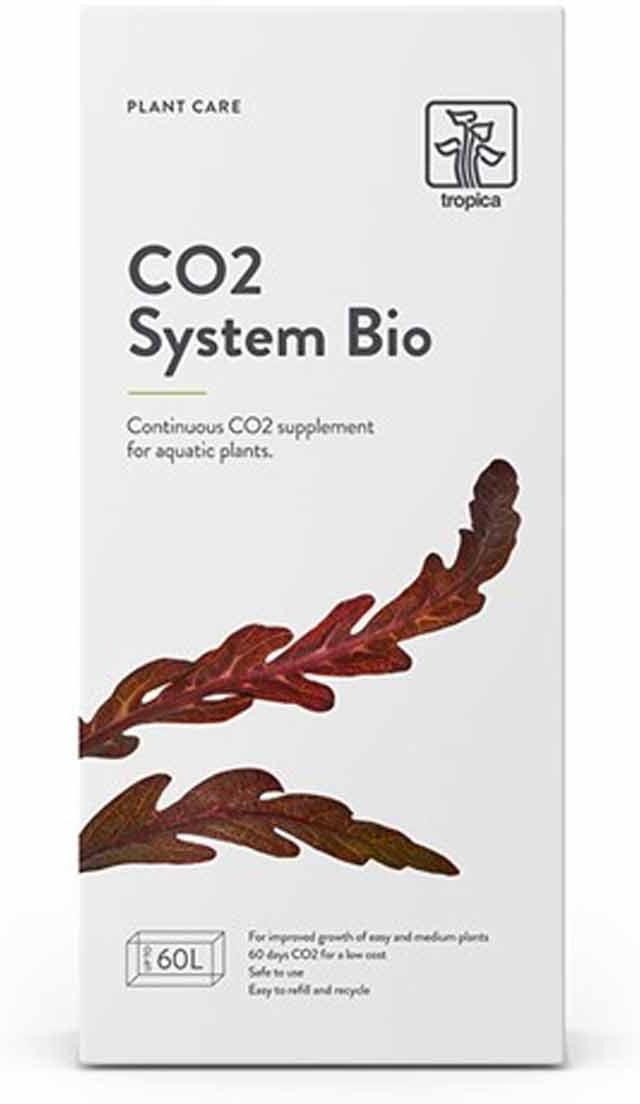

-
How do you plant this aquarium plant in the soil?
To plant this aquarium plant in the soil, start by preparing the substrate in your aquarium. Create a small hole in the substrate using your fingers or a planting tool. Gently remove the plant from its pot and carefully separate the roots. Place the plant in the hole and cover the roots with substrate, making sure the plant is securely anchored. Finally, gently press down on the substrate around the plant to hold it in place. **
-
Which soil is best to use when planting succulents in an aquarium?
When planting succulents in an aquarium, it is best to use a well-draining soil mix specifically designed for succulents. This type of soil will prevent waterlogging and root rot, which are common issues in aquariums. Look for a sandy or gritty soil mix that will mimic the succulents' natural environment and allow for proper drainage. Avoid using regular potting soil, as it retains too much moisture and can lead to problems for the succulents in an aquarium setting. **
-
Can you keep armored catfish in an aquarium with a soil substrate?
Yes, armored catfish can be kept in an aquarium with a soil substrate. In fact, they prefer a soft, sandy or fine-grained substrate that they can sift through in search of food. The soil substrate can also provide a more natural environment for the catfish and allow them to exhibit their natural behaviors. However, it's important to ensure that the soil substrate is well-maintained and kept clean to prevent any potential issues with water quality. **
-
What if the Tropica Nano CO2 System was installed incorrectly?
If the Tropica Nano CO2 System was installed incorrectly, it could lead to inefficient or ineffective CO2 distribution in the aquarium. This could result in poor plant growth and algae issues, as the plants may not be receiving the necessary CO2 for photosynthesis. Additionally, an incorrect installation could potentially lead to leaks or safety hazards if the system is not properly secured. It is important to carefully follow the manufacturer's instructions when installing the CO2 system to ensure proper function and safety. **
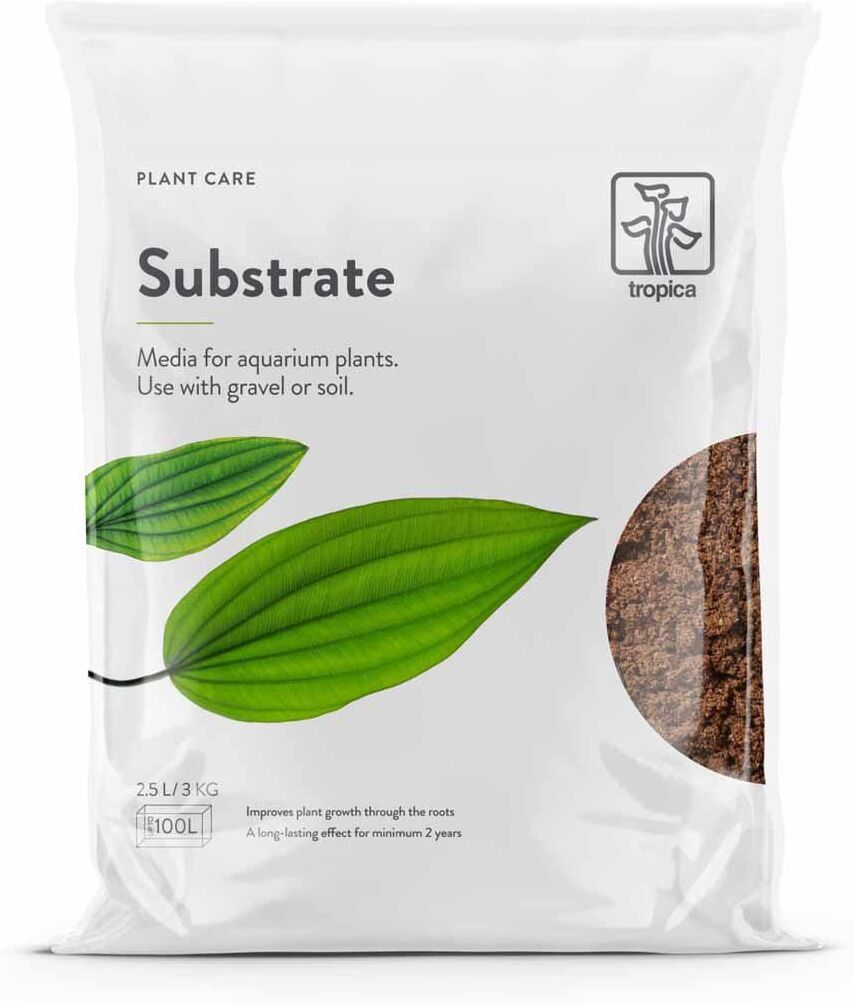

Can regular potting soil also be used as plant substrate for the aquarium?
Regular potting soil is not recommended for use as a plant substrate in an aquarium. Potting soil can contain additives like fertilizers, pesticides, and other chemicals that can be harmful to aquatic life. Additionally, potting soil can release excess nutrients and organic matter into the water, leading to algae blooms and water quality issues. It is best to use substrates specifically designed for aquarium use to ensure the health and well-being of your aquatic plants and fish. **
How can one create a layer of volcanic granulate soil for an aquarium?
To create a layer of volcanic granulate soil for an aquarium, start by thoroughly rinsing the volcanic granulate to remove any dust or debris. Then, spread a layer of the granulate evenly across the bottom of the aquarium, making sure it is at least 2-3 inches deep. Next, carefully add water to the aquarium, pouring it over a plate or bowl to prevent disturbing the granulate. Finally, add any desired plants or decorations to the aquarium, being careful not to disturb the granulate layer. This will create a natural and visually appealing substrate for your aquarium. **
Top-Angebote
Products related to Tropica---Aquarium-Soil:
-
How do you dose Tropica Premium Nutrition daily?
Tropica Premium Nutrition is typically dosed at a rate of 1 pump per 10 gallons of aquarium water daily. This can be adjusted based on the specific needs of the aquarium and the plant species being grown. It is important to carefully monitor the plant growth and overall health of the aquarium to determine the appropriate dosage for optimal results. Overdosing can lead to algae issues, so it's important to start with the recommended dosage and adjust as needed. **
-
Which planting soil for the aquarium can also be regular potting soil?
Regular potting soil can be used as aquarium planting soil if it is organic and does not contain any additives like fertilizers or chemicals that could harm aquatic life. However, it is important to rinse the potting soil thoroughly before adding it to the aquarium to remove any excess nutrients that could lead to algae growth. Additionally, using potting soil in an aquarium may cloud the water initially, so it is recommended to monitor water parameters closely and perform regular water changes to maintain water quality. **
-
How do you plant this aquarium plant in the soil?
To plant this aquarium plant in the soil, start by preparing the substrate in your aquarium. Create a small hole in the substrate using your fingers or a planting tool. Gently remove the plant from its pot and carefully separate the roots. Place the plant in the hole and cover the roots with substrate, making sure the plant is securely anchored. Finally, gently press down on the substrate around the plant to hold it in place. **
-
Which soil is best to use when planting succulents in an aquarium?
When planting succulents in an aquarium, it is best to use a well-draining soil mix specifically designed for succulents. This type of soil will prevent waterlogging and root rot, which are common issues in aquariums. Look for a sandy or gritty soil mix that will mimic the succulents' natural environment and allow for proper drainage. Avoid using regular potting soil, as it retains too much moisture and can lead to problems for the succulents in an aquarium setting. **
Similar search terms for Tropica---Aquarium-Soil
-
Can you keep armored catfish in an aquarium with a soil substrate?
Yes, armored catfish can be kept in an aquarium with a soil substrate. In fact, they prefer a soft, sandy or fine-grained substrate that they can sift through in search of food. The soil substrate can also provide a more natural environment for the catfish and allow them to exhibit their natural behaviors. However, it's important to ensure that the soil substrate is well-maintained and kept clean to prevent any potential issues with water quality. **
-
What if the Tropica Nano CO2 System was installed incorrectly?
If the Tropica Nano CO2 System was installed incorrectly, it could lead to inefficient or ineffective CO2 distribution in the aquarium. This could result in poor plant growth and algae issues, as the plants may not be receiving the necessary CO2 for photosynthesis. Additionally, an incorrect installation could potentially lead to leaks or safety hazards if the system is not properly secured. It is important to carefully follow the manufacturer's instructions when installing the CO2 system to ensure proper function and safety. **
-
Can regular potting soil also be used as plant substrate for the aquarium?
Regular potting soil is not recommended for use as a plant substrate in an aquarium. Potting soil can contain additives like fertilizers, pesticides, and other chemicals that can be harmful to aquatic life. Additionally, potting soil can release excess nutrients and organic matter into the water, leading to algae blooms and water quality issues. It is best to use substrates specifically designed for aquarium use to ensure the health and well-being of your aquatic plants and fish. **
-
How can one create a layer of volcanic granulate soil for an aquarium?
To create a layer of volcanic granulate soil for an aquarium, start by thoroughly rinsing the volcanic granulate to remove any dust or debris. Then, spread a layer of the granulate evenly across the bottom of the aquarium, making sure it is at least 2-3 inches deep. Next, carefully add water to the aquarium, pouring it over a plate or bowl to prevent disturbing the granulate. Finally, add any desired plants or decorations to the aquarium, being careful not to disturb the granulate layer. This will create a natural and visually appealing substrate for your aquarium. **
* All prices are inclusive of VAT and, if applicable, plus shipping costs. The offer information is based on the details provided by the respective shop and is updated through automated processes. Real-time updates do not occur, so deviations can occur in individual cases. ** Note: Parts of this content were created by AI.