Buy fpmin.com ?
We are moving the project
fpmin.com .
Are you interested in purchasing the domain
fpmin.com ?
domain@kv-gmbh.de · 0541-91531010
Buy fpmin.com ?
How does the German unification in the 19th century differ from the Italian unification?
The German unification in the 19th century was primarily driven by the leadership of Prussia under Otto von Bismarck, who used a combination of diplomacy and warfare to unify the German states. In contrast, the Italian unification was led by several key figures such as Giuseppe Garibaldi and Count Camillo di Cavour, and involved a series of military campaigns and uprisings to unify the Italian states. Additionally, the German unification resulted in the creation of a powerful, centralized German Empire, while the Italian unification led to the establishment of a constitutional monarchy under King Victor Emmanuel II. **
Have the Wars of Unification changed nationalism?
Yes, the Wars of Unification have changed nationalism by promoting a sense of unity and pride among the people of the newly unified nations. These wars helped to solidify the idea of a shared national identity and common goals, leading to a stronger sense of nationalism. Additionally, the victories in these wars often fueled a sense of superiority and exceptionalism among the citizens of the unified nations. Overall, the Wars of Unification played a significant role in shaping and strengthening nationalist sentiments in the countries involved. **


Similar search terms for Unification
Top-Angebote
Products related to Unification:
-
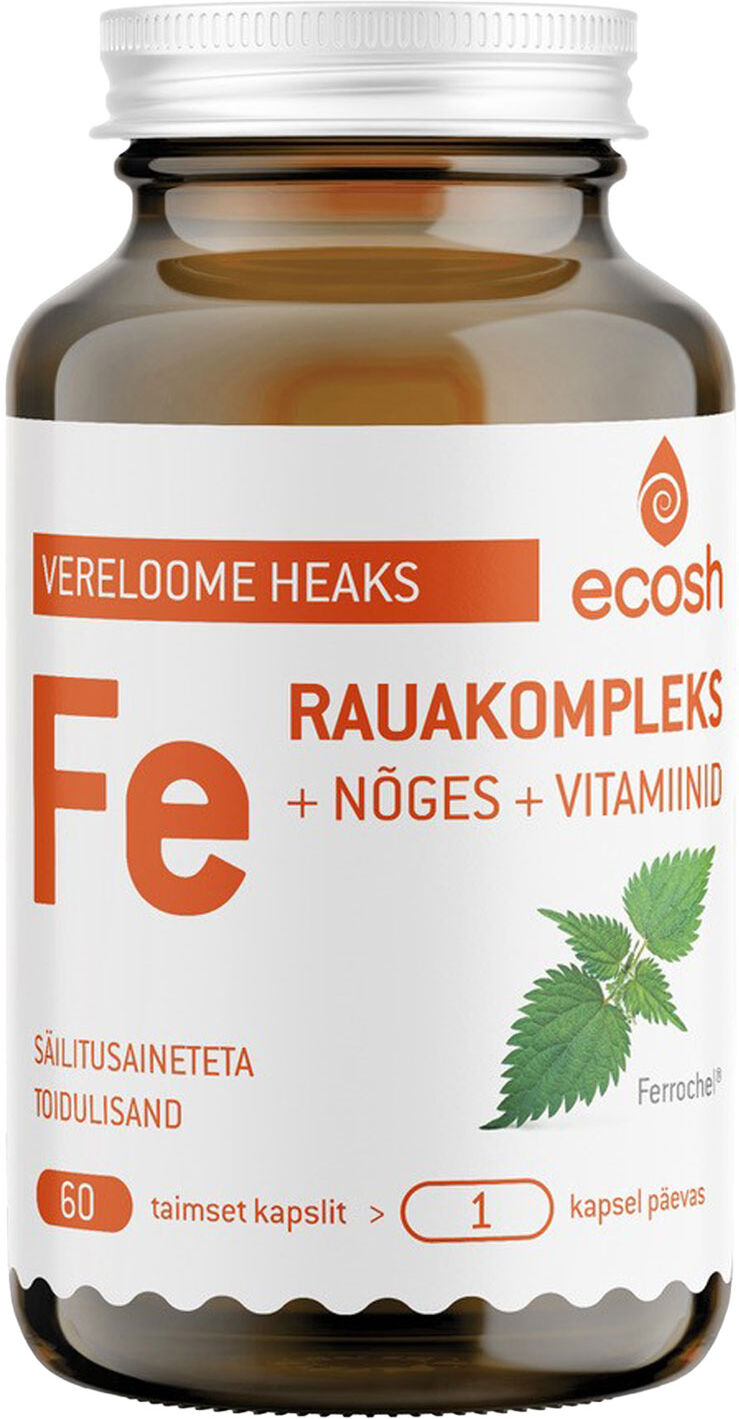
ECOSH Iron Complex + Nettle + Vitamins Capsules 60pcsThis product is intended for sale to the Estonian market. ECOSH Rauakompleks koos eestimaise nõgese ja oluliste vitamiinidega on toidulisand vereloome toetuseks ning väsimuse ja kurnatuse vähendamiseks. Nõgest võib pidada kohalikuks supertoiduks, mis soodustab organismis aluselist reaktsiooni. Väekas nõges annab jõudu ja aitab verd puhastada. Nõgest kasutatakse siis, kui vere näitajad on halvad ja väsimus kimbutab. Raud18,95 €*Shipping: 0,00 €Secure redirect to the provider
-
PHYTO Nutrition Nourishing Conditioner 175mlPHYTO Nourishing Conditioner ravitsee kuivia ja erittäin kuivia hiuksia tehden niistä pehmeät ja kiiltävät. Jojobaöljy rikastuttaa kuivia hiuksia välttämättömillä lipideillä, vahvistaa rakennetta ja suojaa kuivumiselta. Kashmiruute lisää kiiltoa. Silikoniton. 98 % luonnollisia ainesosia. Ei sisällä silikoneja, sulfaatteja eikä väriaineita.15,96 €*Shipping: 0,00 €Secure redirect to the provider



-
Did the Wars of Unification change nationalism?
Yes, the Wars of Unification played a significant role in changing nationalism. These wars, such as the Italian and German unifications in the 19th century, helped to strengthen national identities and create unified nations. The victories in these wars fueled a sense of national pride and solidarity among the people, leading to a stronger sense of nationalism. Additionally, the successful unifications demonstrated the power of nationalism as a unifying force in achieving political goals. **
-
What happened during the German unification in 1871?
During the German unification in 1871, the various independent German states were brought together under the leadership of Prussia. This unification was achieved through a series of wars and diplomatic negotiations, culminating in the proclamation of the German Empire at the Palace of Versailles. Otto von Bismarck, the Chancellor of Prussia, played a key role in orchestrating the unification process. The new German Empire was headed by the King of Prussia, who became the Emperor of Germany, and it marked a significant shift in the balance of power in Europe. **
-
Was European unification a financial gain for Germany?
European unification has been a financial gain for Germany in many ways. As the largest and most powerful economy in the European Union, Germany has benefited from increased trade and investment opportunities within the EU. The single currency, the Euro, has also made it easier for German businesses to conduct transactions with other European countries. Additionally, EU funding and subsidies have supported infrastructure and development projects in Germany. However, it is important to note that European unification has also brought about financial responsibilities for Germany, such as contributing to the EU budget and providing financial assistance to struggling member states. Overall, while there have been costs associated with European unification, the economic benefits for Germany have been significant. **
-
What were the consequences of the German unification?
The consequences of German unification were both positive and negative. On the positive side, it led to the creation of a powerful and economically strong nation in the heart of Europe. It also brought about a sense of national identity and pride among the German people. However, the unification also led to tensions with neighboring countries, particularly France, and raised concerns about the balance of power in Europe. Additionally, the process of unification resulted in economic and social challenges, as the former East Germany struggled to catch up with the more prosperous West. **


Is the Unification Church a cult or not?
The classification of the Unification Church as a cult is a matter of debate and controversy. Some critics and former members have labeled it as a cult due to its unconventional beliefs, strict hierarchical structure, and the charismatic leadership of its founder, Sun Myung Moon. However, the Unification Church itself rejects the label of cult and instead considers itself a legitimate religious movement. Ultimately, whether the Unification Church is considered a cult or not depends on one's perspective and interpretation of its teachings and practices. **
What is the definition of the Wars of Unification?
The Wars of Unification refer to a series of conflicts and military campaigns that took place in the 19th century with the goal of unifying separate states or regions into a single nation. These wars typically involved a dominant power seeking to bring together smaller states or territories under its control through conquest or diplomacy. Examples of Wars of Unification include the unification of Italy led by figures like Giuseppe Garibaldi and Count Cavour, as well as the unification of Germany under the leadership of Otto von Bismarck. **
Top-Angebote
Products related to Unification:
-
MANUCURIST Nail Boost Supplements 60pcsLuonnollista alkuperää olevilla aktiiviaineilla ja vitamiineilla rikastetut MANUCURIST Nail Boost Supplements -ravintolisät ravitsevat ja vahvistavat kynsiä sisältäpäin. Tämä tiivistetty koostumus on kapseloitu kasvipohjaisiin, gluteenittomiin kapseleihin. Kliinisesti todistetut tulokset*: +25 % nopeampi kynsien kasvu. +79 % kynsiä silottava vaikutus. +77 % kynsien kosteutus. +77 % kynsien kovuus. 100 % oli sitä mieltä, että heidän kyntensä lohkeilivat vähemmän. 87 % oli sitä mieltä, että uurtee29,95 €*Shipping: 0,00 €Secure redirect to the provider
-
IVYBEARS Womens Hair VitaminsIVYBEARS Womens Hair Vitamins are needed for the maintenance and growth of healthy hair. Thus, the hair is optimally supplied with the right minerals and vitamins every day and is in top shape! The great thing is, by the way, that they also strengthen the nails. The delicious bears give your hair extra energy, sustainably improve healthy hair growth and give shine and strength. IVYBEARS® hair vitamins for women are packed with biotin, folic acid and zinc. In addition, the bears contain key vitam15,95 €*Shipping: 0,00 €Secure redirect to the provider
-
How does the German unification in the 19th century differ from the Italian unification?
The German unification in the 19th century was primarily driven by the leadership of Prussia under Otto von Bismarck, who used a combination of diplomacy and warfare to unify the German states. In contrast, the Italian unification was led by several key figures such as Giuseppe Garibaldi and Count Camillo di Cavour, and involved a series of military campaigns and uprisings to unify the Italian states. Additionally, the German unification resulted in the creation of a powerful, centralized German Empire, while the Italian unification led to the establishment of a constitutional monarchy under King Victor Emmanuel II. **
-
Have the Wars of Unification changed nationalism?
Yes, the Wars of Unification have changed nationalism by promoting a sense of unity and pride among the people of the newly unified nations. These wars helped to solidify the idea of a shared national identity and common goals, leading to a stronger sense of nationalism. Additionally, the victories in these wars often fueled a sense of superiority and exceptionalism among the citizens of the unified nations. Overall, the Wars of Unification played a significant role in shaping and strengthening nationalist sentiments in the countries involved. **
-
Did the Wars of Unification change nationalism?
Yes, the Wars of Unification played a significant role in changing nationalism. These wars, such as the Italian and German unifications in the 19th century, helped to strengthen national identities and create unified nations. The victories in these wars fueled a sense of national pride and solidarity among the people, leading to a stronger sense of nationalism. Additionally, the successful unifications demonstrated the power of nationalism as a unifying force in achieving political goals. **
-
What happened during the German unification in 1871?
During the German unification in 1871, the various independent German states were brought together under the leadership of Prussia. This unification was achieved through a series of wars and diplomatic negotiations, culminating in the proclamation of the German Empire at the Palace of Versailles. Otto von Bismarck, the Chancellor of Prussia, played a key role in orchestrating the unification process. The new German Empire was headed by the King of Prussia, who became the Emperor of Germany, and it marked a significant shift in the balance of power in Europe. **
Similar search terms for Unification
-
ECOSH Iron Complex + Nettle + Vitamins Capsules 60pcsThis product is intended for sale to the Estonian market. ECOSH Rauakompleks koos eestimaise nõgese ja oluliste vitamiinidega on toidulisand vereloome toetuseks ning väsimuse ja kurnatuse vähendamiseks. Nõgest võib pidada kohalikuks supertoiduks, mis soodustab organismis aluselist reaktsiooni. Väekas nõges annab jõudu ja aitab verd puhastada. Nõgest kasutatakse siis, kui vere näitajad on halvad ja väsimus kimbutab. Raud18,95 €*Shipping: 0,00 €Secure redirect to the provider
-
PHYTO Nutrition Nourishing Conditioner 175mlPHYTO Nourishing Conditioner ravitsee kuivia ja erittäin kuivia hiuksia tehden niistä pehmeät ja kiiltävät. Jojobaöljy rikastuttaa kuivia hiuksia välttämättömillä lipideillä, vahvistaa rakennetta ja suojaa kuivumiselta. Kashmiruute lisää kiiltoa. Silikoniton. 98 % luonnollisia ainesosia. Ei sisällä silikoneja, sulfaatteja eikä väriaineita.15,96 €*Shipping: 0,00 €Secure redirect to the provider
-
PYUNKANG YUL Nutrition Cream 100mlKevyt mutta runsasrakenteinen PYUNKANG YUL Nutrition Face Cream -kasvovoide kosteuttaa ja ravitsee kuivaa ihoa, vahvistaa suojakerrosta ja auttaa ylläpitämään ihon luonnollista kosteustasapainoa, palauttaa elinvoiman, kimmoisuuden ja raikkaan säteilyn. Sen koostumus korvaa veden isoflavonoidi- ja kalykosiinirikkaalla sudenpihlajajuuren uutteella, joka rauhoittaa ihoa, vähentää ärsytystä ja vahvistaa sen luonnollista puolustuskykyä. Karitevoi kosteuttaa kuivaa ihoa syvästi, palauttaa sen mukavuud31,95 €*Shipping: 0,00 €Secure redirect to the provider
-
Was European unification a financial gain for Germany?
European unification has been a financial gain for Germany in many ways. As the largest and most powerful economy in the European Union, Germany has benefited from increased trade and investment opportunities within the EU. The single currency, the Euro, has also made it easier for German businesses to conduct transactions with other European countries. Additionally, EU funding and subsidies have supported infrastructure and development projects in Germany. However, it is important to note that European unification has also brought about financial responsibilities for Germany, such as contributing to the EU budget and providing financial assistance to struggling member states. Overall, while there have been costs associated with European unification, the economic benefits for Germany have been significant. **
-
What were the consequences of the German unification?
The consequences of German unification were both positive and negative. On the positive side, it led to the creation of a powerful and economically strong nation in the heart of Europe. It also brought about a sense of national identity and pride among the German people. However, the unification also led to tensions with neighboring countries, particularly France, and raised concerns about the balance of power in Europe. Additionally, the process of unification resulted in economic and social challenges, as the former East Germany struggled to catch up with the more prosperous West. **
-
Is the Unification Church a cult or not?
The classification of the Unification Church as a cult is a matter of debate and controversy. Some critics and former members have labeled it as a cult due to its unconventional beliefs, strict hierarchical structure, and the charismatic leadership of its founder, Sun Myung Moon. However, the Unification Church itself rejects the label of cult and instead considers itself a legitimate religious movement. Ultimately, whether the Unification Church is considered a cult or not depends on one's perspective and interpretation of its teachings and practices. **
-
What is the definition of the Wars of Unification?
The Wars of Unification refer to a series of conflicts and military campaigns that took place in the 19th century with the goal of unifying separate states or regions into a single nation. These wars typically involved a dominant power seeking to bring together smaller states or territories under its control through conquest or diplomacy. Examples of Wars of Unification include the unification of Italy led by figures like Giuseppe Garibaldi and Count Cavour, as well as the unification of Germany under the leadership of Otto von Bismarck. **
* All prices are inclusive of VAT and, if applicable, plus shipping costs. The offer information is based on the details provided by the respective shop and is updated through automated processes. Real-time updates do not occur, so deviations can occur in individual cases. ** Note: Parts of this content were created by AI.