Buy fpmin.com ?
We are moving the project
fpmin.com .
Are you interested in purchasing the domain
fpmin.com ?
domain@kv-gmbh.de · 0541-91531010
Buy fpmin.com ?
Is Wi-Fi radiation harmful to health?
There is currently no conclusive scientific evidence to suggest that Wi-Fi radiation is harmful to health at levels typically encountered in daily life. The World Health Organization (WHO) states that there is no evidence to confirm that exposure to low-level electromagnetic fields, such as those emitted by Wi-Fi devices, is detrimental to health. However, some individuals may experience symptoms they attribute to electromagnetic hypersensitivity, but studies have not been able to consistently link these symptoms to Wi-Fi radiation. It is important to continue monitoring research in this area to ensure the safety of Wi-Fi technology. **
Can a Wi-Fi extender amplify the Wi-Fi signal from another Wi-Fi extender?
Yes, a Wi-Fi extender can amplify the Wi-Fi signal from another Wi-Fi extender. This is known as daisy-chaining, where one extender picks up the signal from the main router and then extends it further to another extender. However, each time the signal is extended, there is a potential for some loss in speed and performance. It's important to place the extenders strategically to ensure the best coverage and minimize signal degradation. **


Similar search terms for Wi-Fi
Top-Angebote
Products related to Wi-Fi:
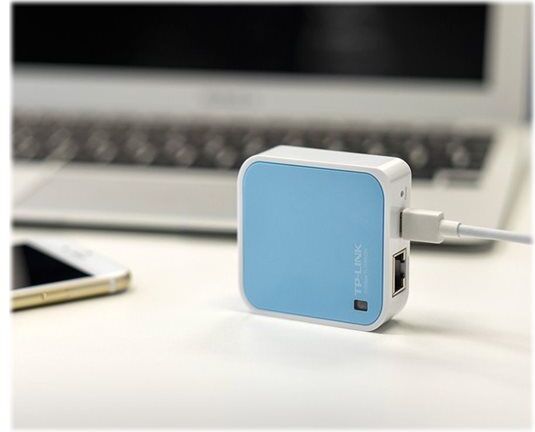



-
Are many Wi-Fi sockets hazardous to health?
There is currently no scientific evidence to suggest that Wi-Fi sockets are hazardous to health. Wi-Fi technology operates within the radio frequency (RF) range, which is considered to be safe for human exposure according to regulatory agencies such as the FCC and WHO. However, it is always important to use electronic devices according to manufacturer's instructions and to limit exposure to RF radiation when possible. If you have specific health concerns, it is best to consult with a healthcare professional. **
-
Will a Wi-Fi extender solve my Wi-Fi problem?
A Wi-Fi extender can help improve Wi-Fi coverage in areas of your home or office where the signal is weak or spotty. By placing the extender in a location where the Wi-Fi signal is strong, it can amplify and extend the signal to reach areas that were previously experiencing connectivity issues. However, it's important to note that a Wi-Fi extender may not completely solve all Wi-Fi problems, especially if the original issue is due to factors like interference, outdated equipment, or a slow internet connection. It's always a good idea to troubleshoot and identify the root cause of your Wi-Fi problems before investing in a Wi-Fi extender. **
-
How can I receive Wi-Fi with a Wi-Fi router?
To receive Wi-Fi with a Wi-Fi router, you need to first connect the router to a power source and then connect it to your modem using an Ethernet cable. Once the router is connected and powered on, you can access the Wi-Fi network by searching for it on your device and entering the password if required. Make sure the router is placed in a central location in your home for better coverage and connectivity. **
-
Is the guest Wi-Fi secure as a public Wi-Fi?
The security of a guest Wi-Fi network can vary depending on how it is set up by the host. In general, guest Wi-Fi networks are designed to provide limited access to the internet and separate it from the host's main network. However, they may not always have the same level of security as a private Wi-Fi network. It is important for users to be cautious when using guest Wi-Fi and to avoid accessing sensitive information or making financial transactions while connected to it. Additionally, using a virtual private network (VPN) can add an extra layer of security when using public Wi-Fi networks, including guest Wi-Fi. **


Which Wi-Fi box?
The Wi-Fi box refers to the device that provides wireless internet connectivity to devices within a certain range. There are various brands and models of Wi-Fi boxes available in the market, each offering different features such as range, speed, and security protocols. When choosing a Wi-Fi box, it is important to consider factors such as the size of the area to be covered, the number of devices that will be connected, and the internet speed required for smooth operation. It is recommended to research and compare different Wi-Fi box options to find one that best suits your specific needs. **
Which Wi-Fi router?
When choosing a Wi-Fi router, it's important to consider factors such as the size of your home or office, the number of devices that will be connected, and the internet speed provided by your service provider. Some popular and reliable Wi-Fi router brands include TP-Link, Netgear, Asus, and Linksys. It's recommended to choose a dual-band router with at least 802.11ac standard for faster speeds and better coverage. Additionally, look for features like beamforming technology, multiple antennas, and Quality of Service (QoS) settings for a more stable and efficient connection. **
Top-Angebote
Products related to Wi-Fi:
-
Is Wi-Fi radiation harmful to health?
There is currently no conclusive scientific evidence to suggest that Wi-Fi radiation is harmful to health at levels typically encountered in daily life. The World Health Organization (WHO) states that there is no evidence to confirm that exposure to low-level electromagnetic fields, such as those emitted by Wi-Fi devices, is detrimental to health. However, some individuals may experience symptoms they attribute to electromagnetic hypersensitivity, but studies have not been able to consistently link these symptoms to Wi-Fi radiation. It is important to continue monitoring research in this area to ensure the safety of Wi-Fi technology. **
-
Can a Wi-Fi extender amplify the Wi-Fi signal from another Wi-Fi extender?
Yes, a Wi-Fi extender can amplify the Wi-Fi signal from another Wi-Fi extender. This is known as daisy-chaining, where one extender picks up the signal from the main router and then extends it further to another extender. However, each time the signal is extended, there is a potential for some loss in speed and performance. It's important to place the extenders strategically to ensure the best coverage and minimize signal degradation. **
-
Are many Wi-Fi sockets hazardous to health?
There is currently no scientific evidence to suggest that Wi-Fi sockets are hazardous to health. Wi-Fi technology operates within the radio frequency (RF) range, which is considered to be safe for human exposure according to regulatory agencies such as the FCC and WHO. However, it is always important to use electronic devices according to manufacturer's instructions and to limit exposure to RF radiation when possible. If you have specific health concerns, it is best to consult with a healthcare professional. **
-
Will a Wi-Fi extender solve my Wi-Fi problem?
A Wi-Fi extender can help improve Wi-Fi coverage in areas of your home or office where the signal is weak or spotty. By placing the extender in a location where the Wi-Fi signal is strong, it can amplify and extend the signal to reach areas that were previously experiencing connectivity issues. However, it's important to note that a Wi-Fi extender may not completely solve all Wi-Fi problems, especially if the original issue is due to factors like interference, outdated equipment, or a slow internet connection. It's always a good idea to troubleshoot and identify the root cause of your Wi-Fi problems before investing in a Wi-Fi extender. **
Similar search terms for Wi-Fi
-
How can I receive Wi-Fi with a Wi-Fi router?
To receive Wi-Fi with a Wi-Fi router, you need to first connect the router to a power source and then connect it to your modem using an Ethernet cable. Once the router is connected and powered on, you can access the Wi-Fi network by searching for it on your device and entering the password if required. Make sure the router is placed in a central location in your home for better coverage and connectivity. **
-
Is the guest Wi-Fi secure as a public Wi-Fi?
The security of a guest Wi-Fi network can vary depending on how it is set up by the host. In general, guest Wi-Fi networks are designed to provide limited access to the internet and separate it from the host's main network. However, they may not always have the same level of security as a private Wi-Fi network. It is important for users to be cautious when using guest Wi-Fi and to avoid accessing sensitive information or making financial transactions while connected to it. Additionally, using a virtual private network (VPN) can add an extra layer of security when using public Wi-Fi networks, including guest Wi-Fi. **
-
Which Wi-Fi box?
The Wi-Fi box refers to the device that provides wireless internet connectivity to devices within a certain range. There are various brands and models of Wi-Fi boxes available in the market, each offering different features such as range, speed, and security protocols. When choosing a Wi-Fi box, it is important to consider factors such as the size of the area to be covered, the number of devices that will be connected, and the internet speed required for smooth operation. It is recommended to research and compare different Wi-Fi box options to find one that best suits your specific needs. **
-
Which Wi-Fi router?
When choosing a Wi-Fi router, it's important to consider factors such as the size of your home or office, the number of devices that will be connected, and the internet speed provided by your service provider. Some popular and reliable Wi-Fi router brands include TP-Link, Netgear, Asus, and Linksys. It's recommended to choose a dual-band router with at least 802.11ac standard for faster speeds and better coverage. Additionally, look for features like beamforming technology, multiple antennas, and Quality of Service (QoS) settings for a more stable and efficient connection. **
* All prices are inclusive of VAT and, if applicable, plus shipping costs. The offer information is based on the details provided by the respective shop and is updated through automated processes. Real-time updates do not occur, so deviations can occur in individual cases. ** Note: Parts of this content were created by AI.