Buy fpmin.com ?
We are moving the project
fpmin.com .
Are you interested in purchasing the domain
fpmin.com ?
domain@kv-gmbh.de · 0541-91531010
Buy fpmin.com ?
Can you explain saponification?
Saponification is a chemical reaction that occurs when a fat or oil is mixed with a strong alkali, such as sodium hydroxide (lye), resulting in the formation of soap and glycerin. During saponification, the alkali breaks down the ester bonds in the fat molecules, releasing fatty acids and glycerol. The fatty acids then react with the alkali to form soap molecules, while glycerin is a byproduct of the reaction. This process is commonly used in the production of soap. **
How does saponification work in chemistry?
Saponification is a chemical reaction that involves the hydrolysis of ester bonds in fats and oils by a strong base, typically sodium hydroxide or potassium hydroxide. This reaction results in the formation of glycerol and soap molecules, which are the salts of fatty acids. The hydroxide ions from the base break the ester bonds in the triglyceride molecules, releasing the fatty acids and glycerol. The fatty acids then react with the metal ions from the base to form soap molecules, which are soluble in water and have detergent properties. **


Similar search terms for Saponification
Top-Angebote
Products related to Saponification:
-
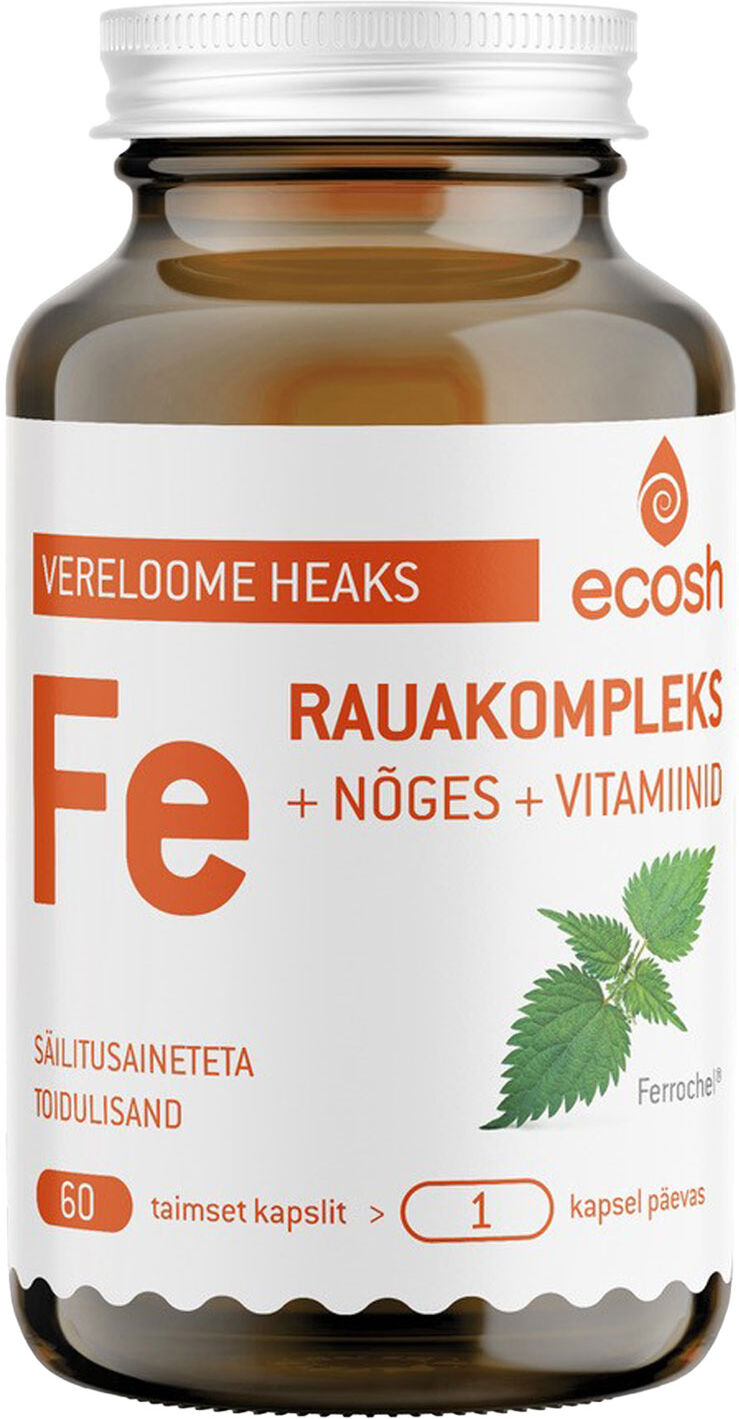
ECOSH Iron Complex + Nettle + Vitamins Capsules 60pcsThis product is intended for sale to the Estonian market. ECOSH Rauakompleks koos eestimaise nõgese ja oluliste vitamiinidega on toidulisand vereloome toetuseks ning väsimuse ja kurnatuse vähendamiseks. Nõgest võib pidada kohalikuks supertoiduks, mis soodustab organismis aluselist reaktsiooni. Väekas nõges annab jõudu ja aitab verd puhastada. Nõgest kasutatakse siis, kui vere näitajad on halvad ja väsimus kimbutab. Raud18,95 €*Shipping: 0,00 €Secure redirect to the provider
-
PHYTO Nutrition Nourishing Conditioner 175mlPHYTO Nourishing Conditioner ravitsee kuivia ja erittäin kuivia hiuksia tehden niistä pehmeät ja kiiltävät. Jojobaöljy rikastuttaa kuivia hiuksia välttämättömillä lipideillä, vahvistaa rakennetta ja suojaa kuivumiselta. Kashmiruute lisää kiiltoa. Silikoniton. 98 % luonnollisia ainesosia. Ei sisällä silikoneja, sulfaatteja eikä väriaineita.15,96 €*Shipping: 0,00 €Secure redirect to the provider



-
What are chemical reactions in saponification?
Chemical reactions in saponification involve the reaction of a fat or oil with a strong base, typically sodium hydroxide or potassium hydroxide. This reaction results in the formation of soap and glycerol. The fatty acids in the fat or oil react with the base to form the soap molecules, while glycerol is a byproduct of the reaction. Saponification is a key process in soap-making and is essential for the production of soap. **
-
Is this saponification reaction equation correct?
Yes, the saponification reaction equation provided is correct. Saponification is the process of making soap by reacting a fat or oil with a strong base, such as sodium hydroxide or potassium hydroxide. The reaction results in the formation of soap (sodium or potassium salts of fatty acids) and glycerol. The equation shown accurately represents this chemical transformation. **
-
What is the equation for saponification?
The general equation for saponification is: ester + base → alcohol + carboxylate salt. In the specific case of the saponification of a triglyceride (fat or oil) with a strong base such as sodium hydroxide, the equation is: triglyceride + sodium hydroxide → glycerol + 3 fatty acid salts. **
-
How can one derive the saponification value?
The saponification value can be derived by determining the amount of potassium hydroxide (KOH) or sodium hydroxide (NaOH) required to saponify a specific amount of fat or oil. This is typically done through a chemical reaction where the fat or oil is mixed with a known concentration of KOH or NaOH. The amount of KOH or NaOH used in the reaction is then measured, and the saponification value is calculated based on the molecular weight of the fat or oil. This value is important in determining the amount of alkali needed for soap making or in assessing the purity of fats and oils. **


What is the reaction equation for saponification?
The reaction equation for saponification involves the hydrolysis of an ester, typically a triglyceride, with a strong base such as sodium hydroxide or potassium hydroxide. The general equation for saponification is: Ester + Base → Alcohol + Salt of Fatty Acid. For example, in the saponification of a triglyceride like olive oil, the reaction equation would be: Triglyceride (olive oil) + 3NaOH → Glycerol + 3 Sodium Salts of Fatty Acids (soap). **
Need help with calculating the saponification value.
To calculate the saponification value of a fat or oil, you need to know the molecular weight of the fatty acid present in the sample. The saponification value is the amount of potassium hydroxide (KOH) required to saponify one gram of the fat or oil. You can calculate the saponification value using the formula: Saponification value = (560 x saponification equivalent weight) / molecular weight of the fatty acid. This value is important in determining the amount of lye needed for soap making or in quality control of fats and oils. **
Top-Angebote
Products related to Saponification:
-
MANUCURIST Nail Boost Supplements 60pcsLuonnollista alkuperää olevilla aktiiviaineilla ja vitamiineilla rikastetut MANUCURIST Nail Boost Supplements -ravintolisät ravitsevat ja vahvistavat kynsiä sisältäpäin. Tämä tiivistetty koostumus on kapseloitu kasvipohjaisiin, gluteenittomiin kapseleihin. Kliinisesti todistetut tulokset*: +25 % nopeampi kynsien kasvu. +79 % kynsiä silottava vaikutus. +77 % kynsien kosteutus. +77 % kynsien kovuus. 100 % oli sitä mieltä, että heidän kyntensä lohkeilivat vähemmän. 87 % oli sitä mieltä, että uurtee29,95 €*Shipping: 0,00 €Secure redirect to the provider
-
IVYBEARS Womens Hair VitaminsIVYBEARS Womens Hair Vitamins are needed for the maintenance and growth of healthy hair. Thus, the hair is optimally supplied with the right minerals and vitamins every day and is in top shape! The great thing is, by the way, that they also strengthen the nails. The delicious bears give your hair extra energy, sustainably improve healthy hair growth and give shine and strength. IVYBEARS® hair vitamins for women are packed with biotin, folic acid and zinc. In addition, the bears contain key vitam15,95 €*Shipping: 0,00 €Secure redirect to the provider
-
Can you explain saponification?
Saponification is a chemical reaction that occurs when a fat or oil is mixed with a strong alkali, such as sodium hydroxide (lye), resulting in the formation of soap and glycerin. During saponification, the alkali breaks down the ester bonds in the fat molecules, releasing fatty acids and glycerol. The fatty acids then react with the alkali to form soap molecules, while glycerin is a byproduct of the reaction. This process is commonly used in the production of soap. **
-
How does saponification work in chemistry?
Saponification is a chemical reaction that involves the hydrolysis of ester bonds in fats and oils by a strong base, typically sodium hydroxide or potassium hydroxide. This reaction results in the formation of glycerol and soap molecules, which are the salts of fatty acids. The hydroxide ions from the base break the ester bonds in the triglyceride molecules, releasing the fatty acids and glycerol. The fatty acids then react with the metal ions from the base to form soap molecules, which are soluble in water and have detergent properties. **
-
What are chemical reactions in saponification?
Chemical reactions in saponification involve the reaction of a fat or oil with a strong base, typically sodium hydroxide or potassium hydroxide. This reaction results in the formation of soap and glycerol. The fatty acids in the fat or oil react with the base to form the soap molecules, while glycerol is a byproduct of the reaction. Saponification is a key process in soap-making and is essential for the production of soap. **
-
Is this saponification reaction equation correct?
Yes, the saponification reaction equation provided is correct. Saponification is the process of making soap by reacting a fat or oil with a strong base, such as sodium hydroxide or potassium hydroxide. The reaction results in the formation of soap (sodium or potassium salts of fatty acids) and glycerol. The equation shown accurately represents this chemical transformation. **
Similar search terms for Saponification
-
ECOSH Iron Complex + Nettle + Vitamins Capsules 60pcsThis product is intended for sale to the Estonian market. ECOSH Rauakompleks koos eestimaise nõgese ja oluliste vitamiinidega on toidulisand vereloome toetuseks ning väsimuse ja kurnatuse vähendamiseks. Nõgest võib pidada kohalikuks supertoiduks, mis soodustab organismis aluselist reaktsiooni. Väekas nõges annab jõudu ja aitab verd puhastada. Nõgest kasutatakse siis, kui vere näitajad on halvad ja väsimus kimbutab. Raud18,95 €*Shipping: 0,00 €Secure redirect to the provider
-
PHYTO Nutrition Nourishing Conditioner 175mlPHYTO Nourishing Conditioner ravitsee kuivia ja erittäin kuivia hiuksia tehden niistä pehmeät ja kiiltävät. Jojobaöljy rikastuttaa kuivia hiuksia välttämättömillä lipideillä, vahvistaa rakennetta ja suojaa kuivumiselta. Kashmiruute lisää kiiltoa. Silikoniton. 98 % luonnollisia ainesosia. Ei sisällä silikoneja, sulfaatteja eikä väriaineita.15,96 €*Shipping: 0,00 €Secure redirect to the provider
-
PYUNKANG YUL Nutrition Cream 100mlKevyt mutta runsasrakenteinen PYUNKANG YUL Nutrition Face Cream -kasvovoide kosteuttaa ja ravitsee kuivaa ihoa, vahvistaa suojakerrosta ja auttaa ylläpitämään ihon luonnollista kosteustasapainoa, palauttaa elinvoiman, kimmoisuuden ja raikkaan säteilyn. Sen koostumus korvaa veden isoflavonoidi- ja kalykosiinirikkaalla sudenpihlajajuuren uutteella, joka rauhoittaa ihoa, vähentää ärsytystä ja vahvistaa sen luonnollista puolustuskykyä. Karitevoi kosteuttaa kuivaa ihoa syvästi, palauttaa sen mukavuud31,95 €*Shipping: 0,00 €Secure redirect to the provider
-
What is the equation for saponification?
The general equation for saponification is: ester + base → alcohol + carboxylate salt. In the specific case of the saponification of a triglyceride (fat or oil) with a strong base such as sodium hydroxide, the equation is: triglyceride + sodium hydroxide → glycerol + 3 fatty acid salts. **
-
How can one derive the saponification value?
The saponification value can be derived by determining the amount of potassium hydroxide (KOH) or sodium hydroxide (NaOH) required to saponify a specific amount of fat or oil. This is typically done through a chemical reaction where the fat or oil is mixed with a known concentration of KOH or NaOH. The amount of KOH or NaOH used in the reaction is then measured, and the saponification value is calculated based on the molecular weight of the fat or oil. This value is important in determining the amount of alkali needed for soap making or in assessing the purity of fats and oils. **
-
What is the reaction equation for saponification?
The reaction equation for saponification involves the hydrolysis of an ester, typically a triglyceride, with a strong base such as sodium hydroxide or potassium hydroxide. The general equation for saponification is: Ester + Base → Alcohol + Salt of Fatty Acid. For example, in the saponification of a triglyceride like olive oil, the reaction equation would be: Triglyceride (olive oil) + 3NaOH → Glycerol + 3 Sodium Salts of Fatty Acids (soap). **
-
Need help with calculating the saponification value.
To calculate the saponification value of a fat or oil, you need to know the molecular weight of the fatty acid present in the sample. The saponification value is the amount of potassium hydroxide (KOH) required to saponify one gram of the fat or oil. You can calculate the saponification value using the formula: Saponification value = (560 x saponification equivalent weight) / molecular weight of the fatty acid. This value is important in determining the amount of lye needed for soap making or in quality control of fats and oils. **
* All prices are inclusive of VAT and, if applicable, plus shipping costs. The offer information is based on the details provided by the respective shop and is updated through automated processes. Real-time updates do not occur, so deviations can occur in individual cases. ** Note: Parts of this content were created by AI.